Hormuz closed, pipeline hit: why Aramco is discounting outside the strait
What if the world’s biggest oil exporter starts paying part of your shipping bill?
The discount is Aramco paying part of its buyers' tanker bill through the price. It lands on a transfer anchorage off Oman that is already running at its limit.
Saudi Aramco may cut the price of crude it hands over off Oman by about $9 a barrel, after charging a premium for the same oil weeks ago. Buyers pay for the tanker to Asia, and that cost is now at a record. The discount can win buyers back, but the transfer area off Oman is already full.
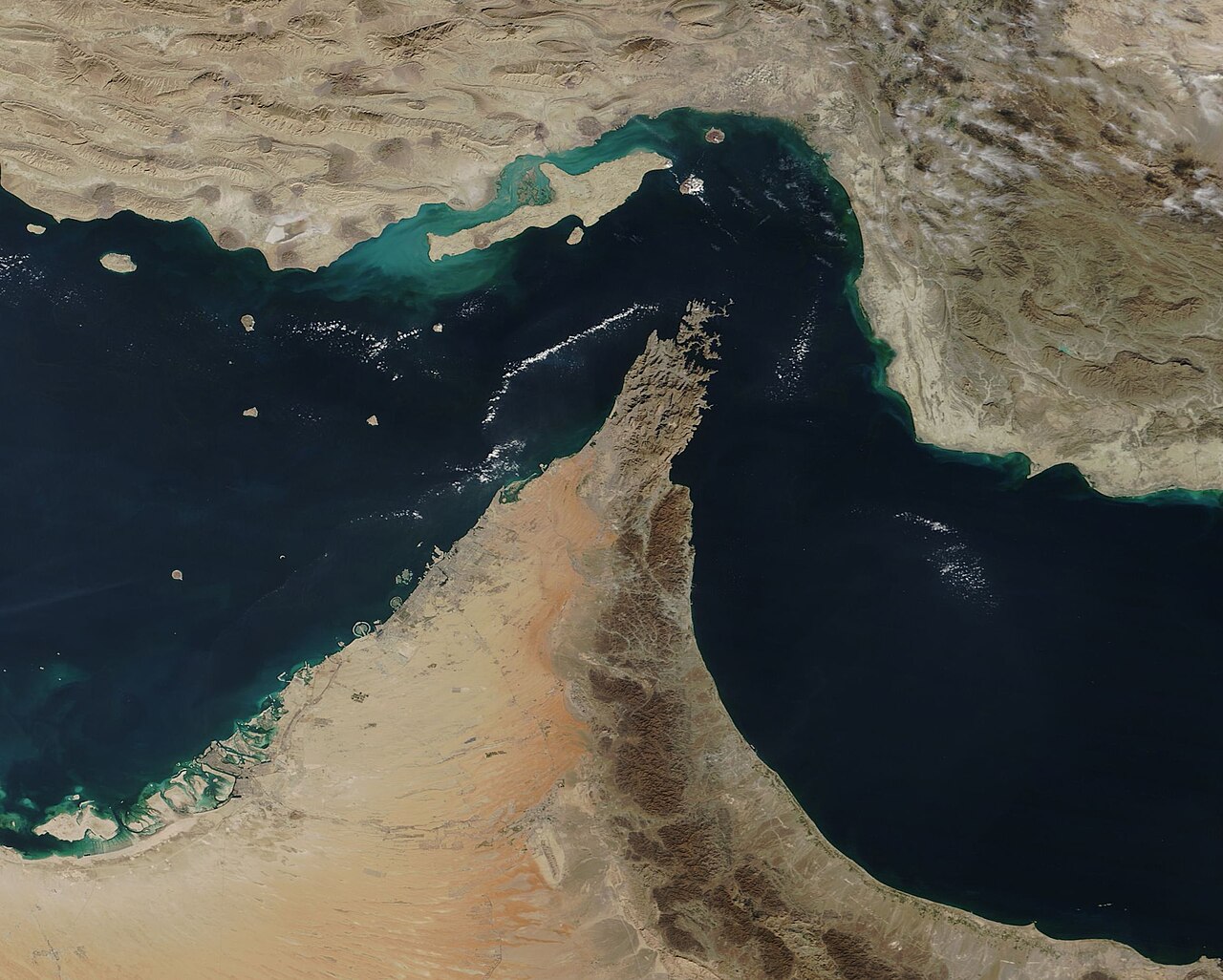
Saudi Aramco is discussing a discount of about $9 a barrel with Asian refiners on crude it sells off Sohar, a port on Oman's coast just outside the Strait of Hormuz. Reuters reported the talks on 28 September. What is at stake is market share in Asia, which Aramco has been losing while the Iran war keeps the strait effectively closed.
The discount would sit below Aramco's official selling price (OSP) and apply to cargoes loading in the second half of October. In recent weeks, the same crude sold at premiums of $10 to $20 a barrel over that price.
That is a swing of roughly $20 to $30 on the same barrel, handed over at the same anchorage. Aramco has not confirmed it. For now it is a proposal under discussion with buyers, according to Reuters' sources.
Who pays for the tanker
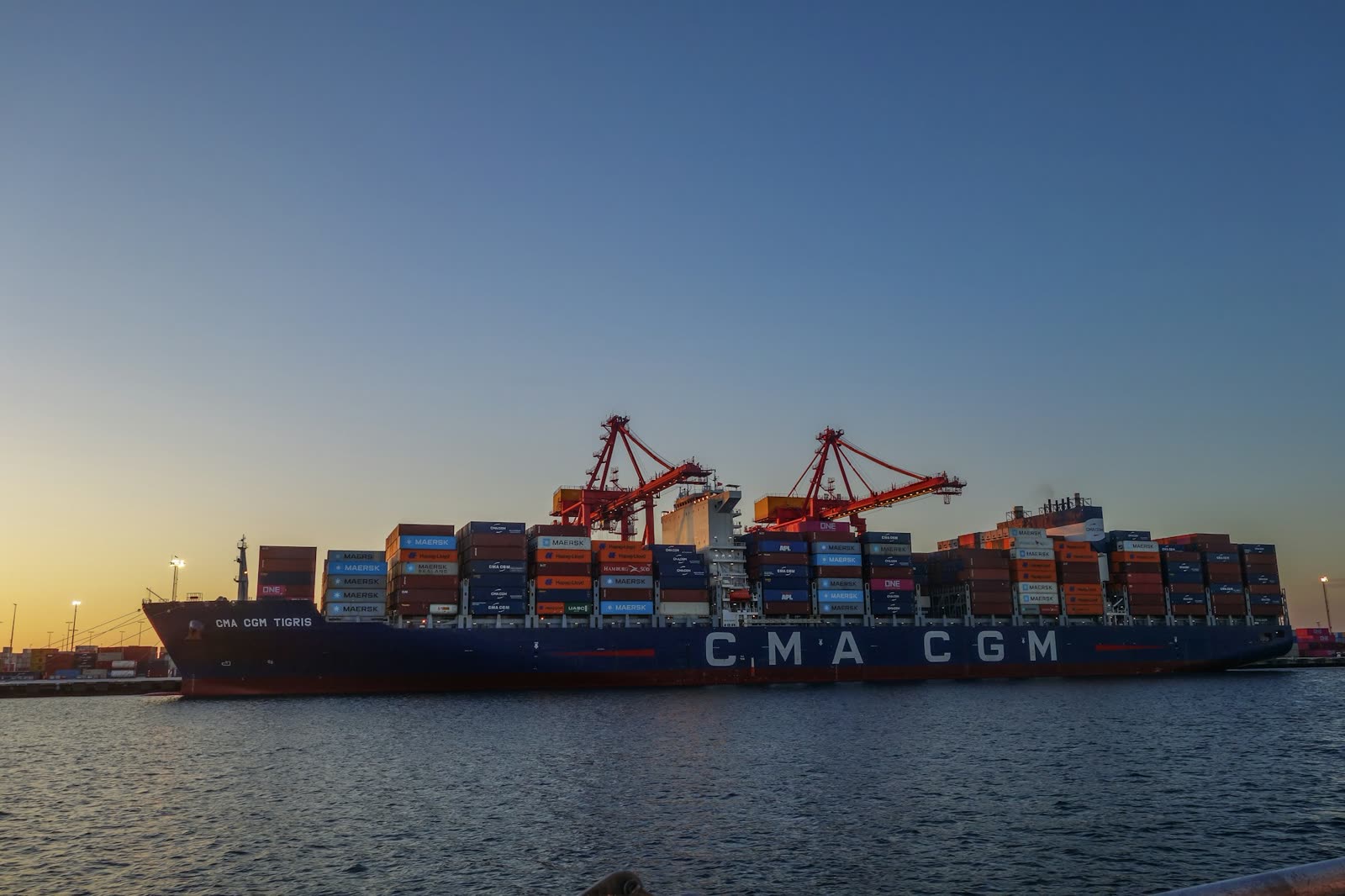
The swing makes sense once you look at where the price is set. Aramco's official prices are set at the loading point. The buyer charters the very large crude carrier (VLCC) and pays the freight to Asia.
That freight is now the biggest variable in the deal. In a column on 21 September, Reuters' Ron Bousso put VLCC rates from the Gulf to China above $30 a barrel, the highest on record. With crude around $105, freight now adds more than a quarter to the price of the barrel. Before the war it added 2% to 3%.
A refiner buys on landed cost. When more than a fifth of that cost is the ship, a seller who holds its price loses the cargo to one who does not. Bousso wrote that producers were already "absorbing part of the increased transportation costs themselves." The $9 is Aramco doing the same thing, cargo by cargo.
The premium paid for something else: a Saudi barrel already delivered outside the strait. Aramco moves that crude itself, shuttling it from Ras Tanura, its main Gulf terminal, through Hormuz to Sohar for transfer . Buyers are now looking at the second leg, the long one to Asia, and they pay for that one.
Aramco is chasing those buyers on a route a competitor built first. Abu Dhabi National Oil Company started shuttling crude to the Gulf of Oman in April. UAE exports were projected at 3.6 million barrels a day in September, above the 2025 average.
Using the price to cover a longer voyage is something Aramco has done before. Before the September drone attack on its pipeline to the Red Sea, it let buyers price cargoes by arrival month instead of loading month. That offset the longer voyage via Sidi Kerir, Egypt's Mediterranean terminal.
Anyone who has sold container freight will recognise the structure. The OSP is the published tariff. The $9 is a negotiated rate for named customers, and it will not appear in the number Aramco publishes each month.
The transfer queue off Sohar
A discount can change who buys the barrels. How many barrels actually reach the buyers is decided at the anchorage.
The pressure on that anchorage comes from the Red Sea side. On 10 and 11 September, drones launched from Iraq hit the East-West pipeline, which carries crude across Saudi Arabia to Yanbu on the Red Sea. The line restarted around 22 September at reduced rates. A full restart is expected to take six to eight weeks.
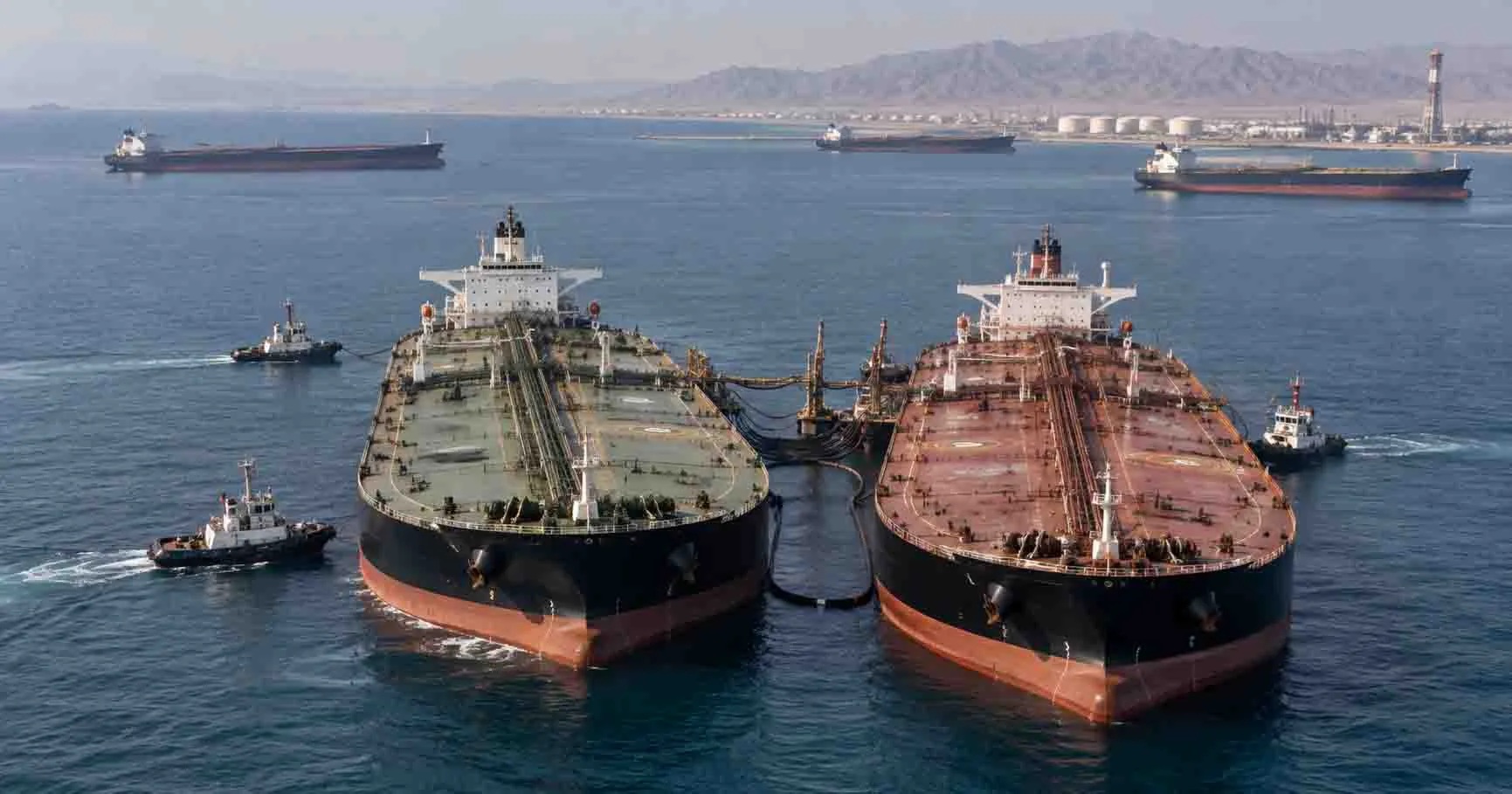
Meanwhile Aramco has sold more than 60 million barrels for transfer off Sohar across September and October.
Kpler expected about 2.5 million barrels a day to load by ship-to-ship (STS) transfer in the Gulf of Oman in September. In August it was 1.4 million.
On 25 September, Reuters reported, citing Kpler and Vortexa, that these transfers had reached their limit. About three VLCC pairs start a transfer each day. One operation now takes nearly ten days, against five to seven before. "Congestion is getting worse near the Strait of Hormuz due to long STS queues," Vortexa's Emma Li told Reuters.
Ten days is expensive time. On 21 September, the daily time charter rate for a VLCC from the Middle East to China reached a record $1.27 million. At that rate, ten days of a VLCC's time is worth about $12.7 million. On a two-million-barrel cargo, that is over $6 a barrel.
That raises the question laytime clauses exist to answer: who pays for the wait. In a sale at the loading point, the buyer's ship queues. The sale contract decides whether time beyond the agreed laytime comes back to the seller as demurrage. If Aramco already carries that wait, part of the $9 pays for the queue as well as the voyage.
For the discount to win back volume, and not just buyers, three things would have to be true:
- Transfer capacity. Either more slots off Sohar than three pairs a day, or a turnaround well under ten days.
- Shuttle cover. Tankers willing to cross Hormuz with war cover in place. Oman's waters have been inside the London market's listed war-risk area since 3 March. The China P&I Club told members that additional premiums are usually valid for only 48 hours, sometimes 24.
- Export ships in position. On 25 September, Reuters counted 20 VLCCs effectively trapped in the Mediterranean, waiting for Yanbu to return to operation.
How long the $9 discount lasts
Two things decide how long the discount lasts, and neither is on Aramco's pricing desk.
The first is freight. The discount is sized to it. If VLCC rates come off their record, the discount should shrink with them.
The second is the pipeline. The six-to-eight-week estimate puts the East-West line back at full rate in November. Until then, the Sohar route has to carry the Gulf crude the pipeline cannot.
The first document to read is Aramco's November OSP list, normally published in the first week of October. If the published price falls hard, the discount has moved onto the page. If it holds while cargo-by-cargo discounts continue, Aramco is protecting its benchmark and paying freight privately.
After that, watch the turnaround off Sohar. While it stays near ten days, every extra cargo the discount wins goes to the back of the queue.
Primary sources
- LP 08/2026 Iran Conflict: JWC Listed Areas Updated China P&I Club
- tradeSaudi Aramco considers discounting STS crude to reclaim lost market share Baird Maritime, 2026-09-28
- tradeSaudi Oil Surge Pushes Gulf of Oman Transfers to Capacity MarineLink (Reuters), 2026-09-25