Maersk's first ethanol bunkering of a container ship
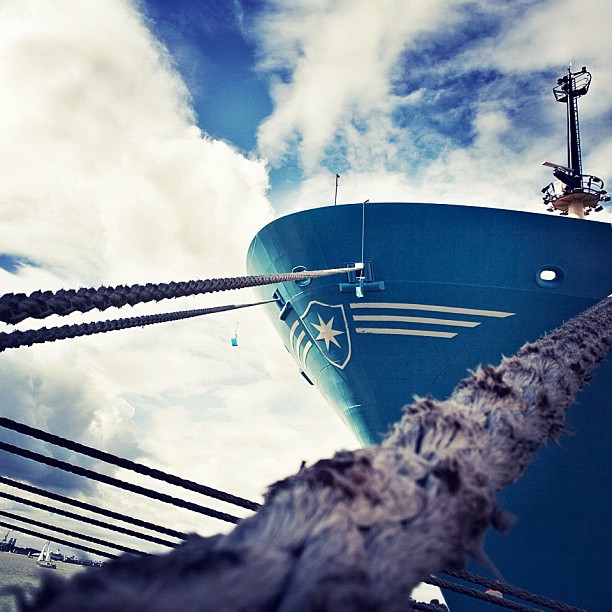
Ethanol, a methanol engine and a Gulf barge. It worked.
The stem used a supply path the same ship opened with methanol in March, and the release does not give the volume, the price or the fuel standard.
Maersk has fuelled a container ship with US ethanol for the first time. The ship was built for methanol and took the first US methanol delivery in March, so the new part is the US supplier. The company gave no volume or price, so a repeat delivery is what would show a real supply.
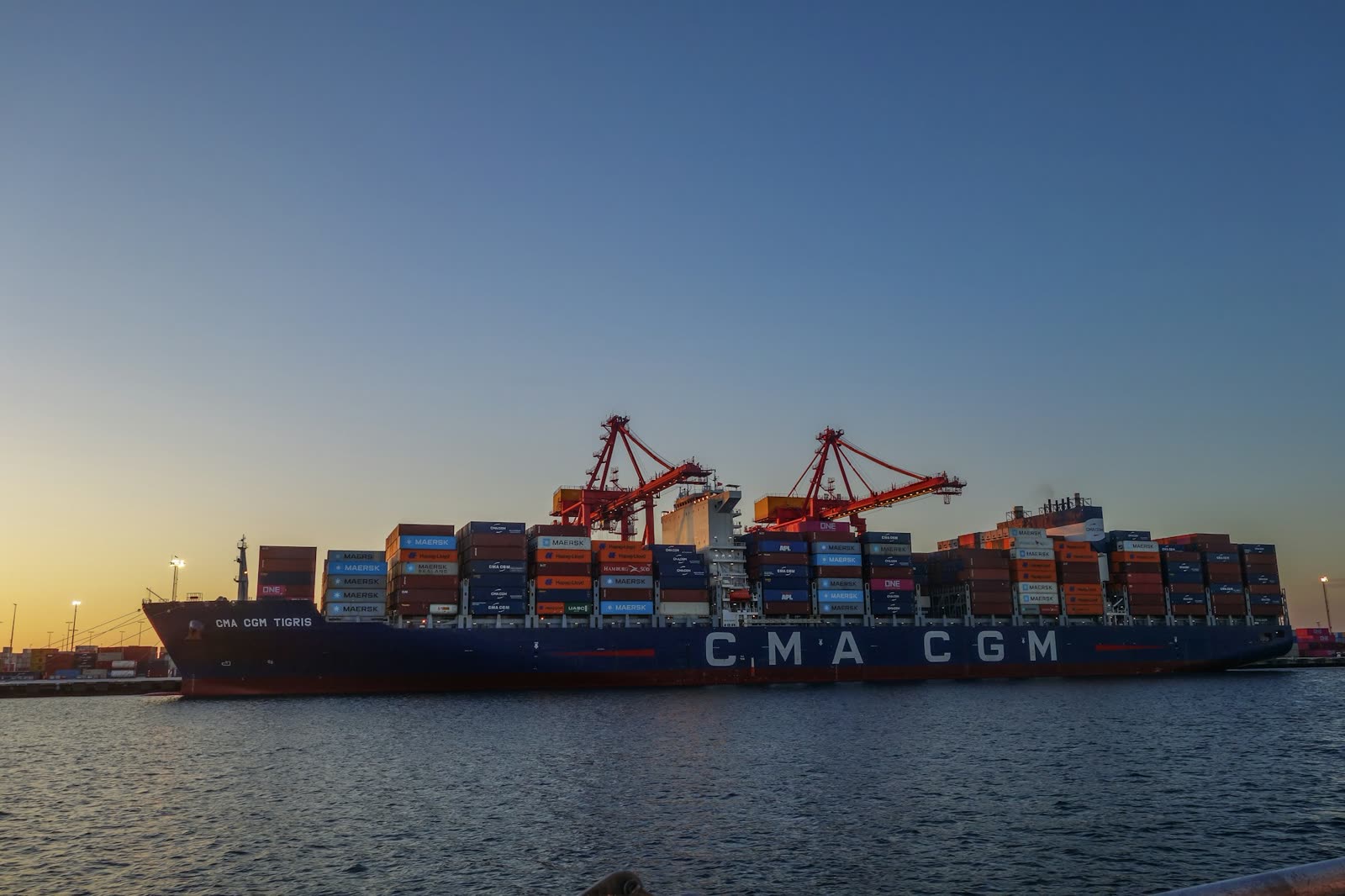
Maersk has bunkered Tangier Maersk, a 9,000 TEU container ship built to burn methanol, with 100% US-produced corn ethanol. The company announced it on 28 September as the first ship-to-ship commercial ethanol bunkering of a deep-sea container vessel in the United States. The stem tests whether ships built for methanol can also take ethanol from a US supplier. Maersk has not said how many tonnes went aboard.
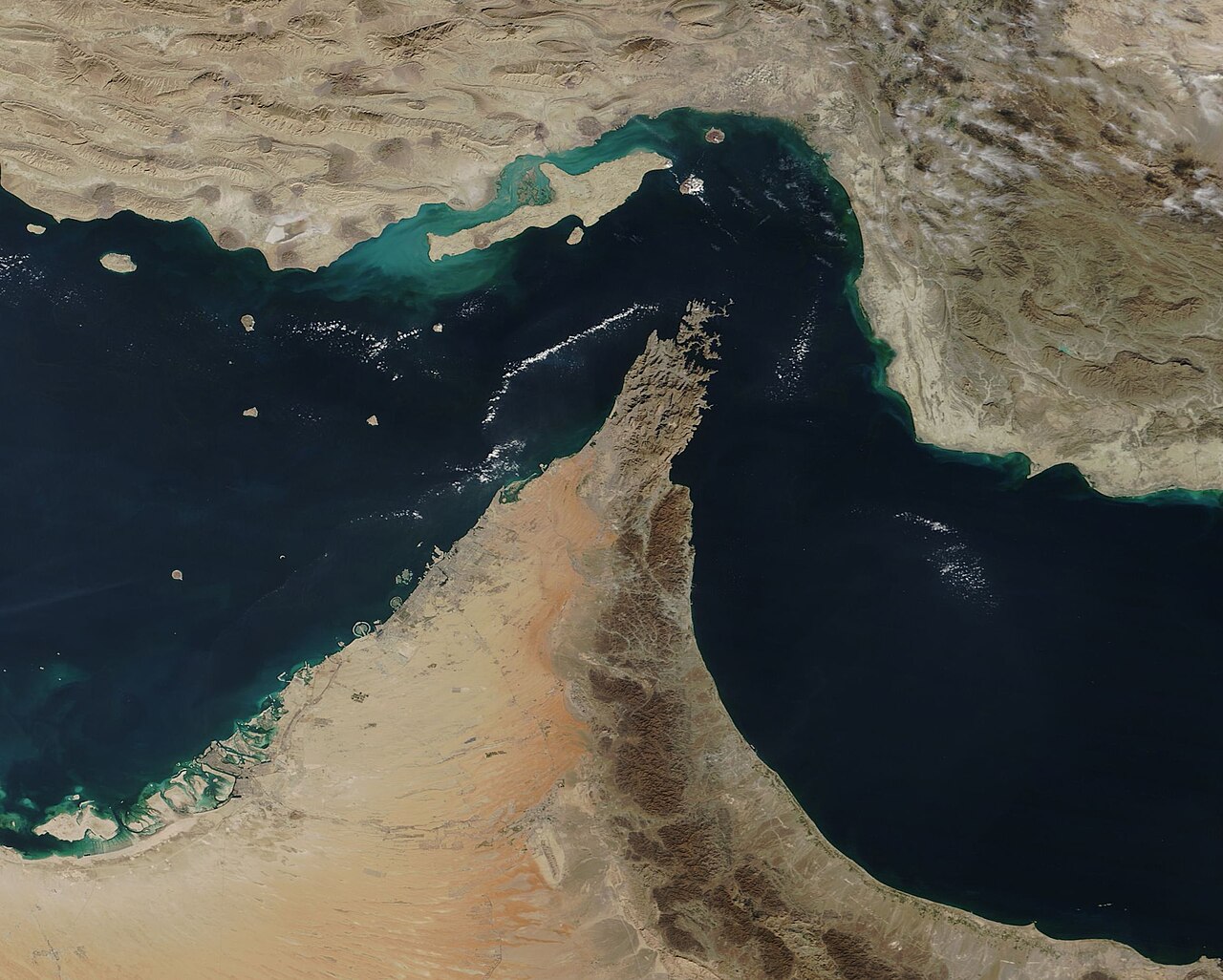
The supplier was POET, the South Dakota ethanol producer. POET's statement puts the stem in Houston. It says Kirby Corporation ran the barge and the US Coast Guard handled the regulatory side.
Maersk's own account points elsewhere. It had announced the event for Mobile, Alabama, in mid-September, and the photo sent out with its release shows the ship at Mobile.
The ship made this a short step. Its engine and tanks were designed for methanol, and ethanol is also an alcohol. Ship & Bunker reported that the two fuels can share tanks, blend in any ratio and use the same bunkering equipment. The engine needs only minor software and injection-valve changes.
Maersk had also burned ethanol before, outside the US. It had built up to neat ethanol on the feeder Laura Maersk by the first quarter of 2026. In July, Repsol delivered 2,800 tonnes of bioethanol to the 16,000 TEU Antonia Maersk at Barcelona.
In the US, the groundwork was laid in March. On 30 March, Tangier Maersk took 2,000 tonnes of methanol from a Kirby barge at Houston. That was the first ship-to-ship methanol bunkering in US waters. Before it, the Coast Guard spent four months on risk assessments and design reviews. Six months later the ethanol came aboard the same ship, from the same barge operator, under the same regulator.
What the Gulf ethanol stem adds
That makes the supplier the only new piece. A US ethanol producer has now put neat ethanol into a deep-sea container ship.
The price is why that supplier matters. In July, Ship & Bunker reported an estimate from the engine maker WinGD of about $600 a tonne for US ethanol. That is well below the price of green methanol. WinGD also says ethanol carries more energy per tonne than methanol, so a tank of it covers more miles.
Those figures are estimates. The announcement itself gives no price paid and names no fuel standard. A Growth Energy report cited by DTN lists the lack of a marine ethanol specification as one of the barriers. The release also does not say whether the ship burned the ethanol on its next leg.
The signal to watch is the second stem. A repeat delivery to Tangier Maersk or one of her five sisters, with a published tonnage and no launch event, would show a supply.
The chance for one comes around on the ship's own rotation. The Tangier class runs on TP15, Maersk's East Asia to US Gulf service through the Panama Canal. Until a second stem is published, the Gulf has shown that the fuel can be delivered, which is what a first stem is for.
Primary sources
- officialRepsol and Maersk complete the first bioethanol bunkering operation in the Port of Barcelona Port of Barcelona, 2026-07-17