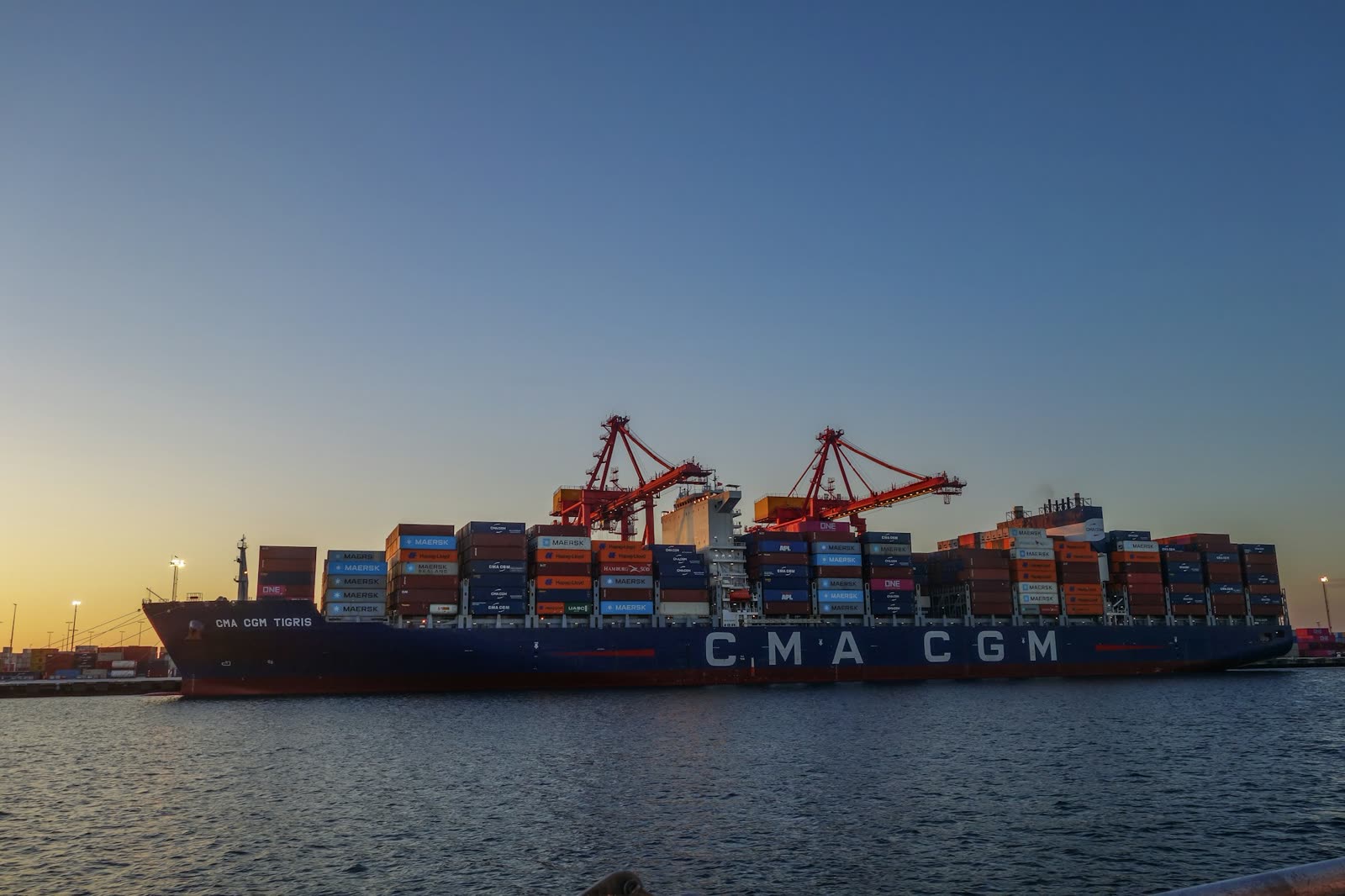
Korea's PanStar sails a container ship to Europe via the Arctic
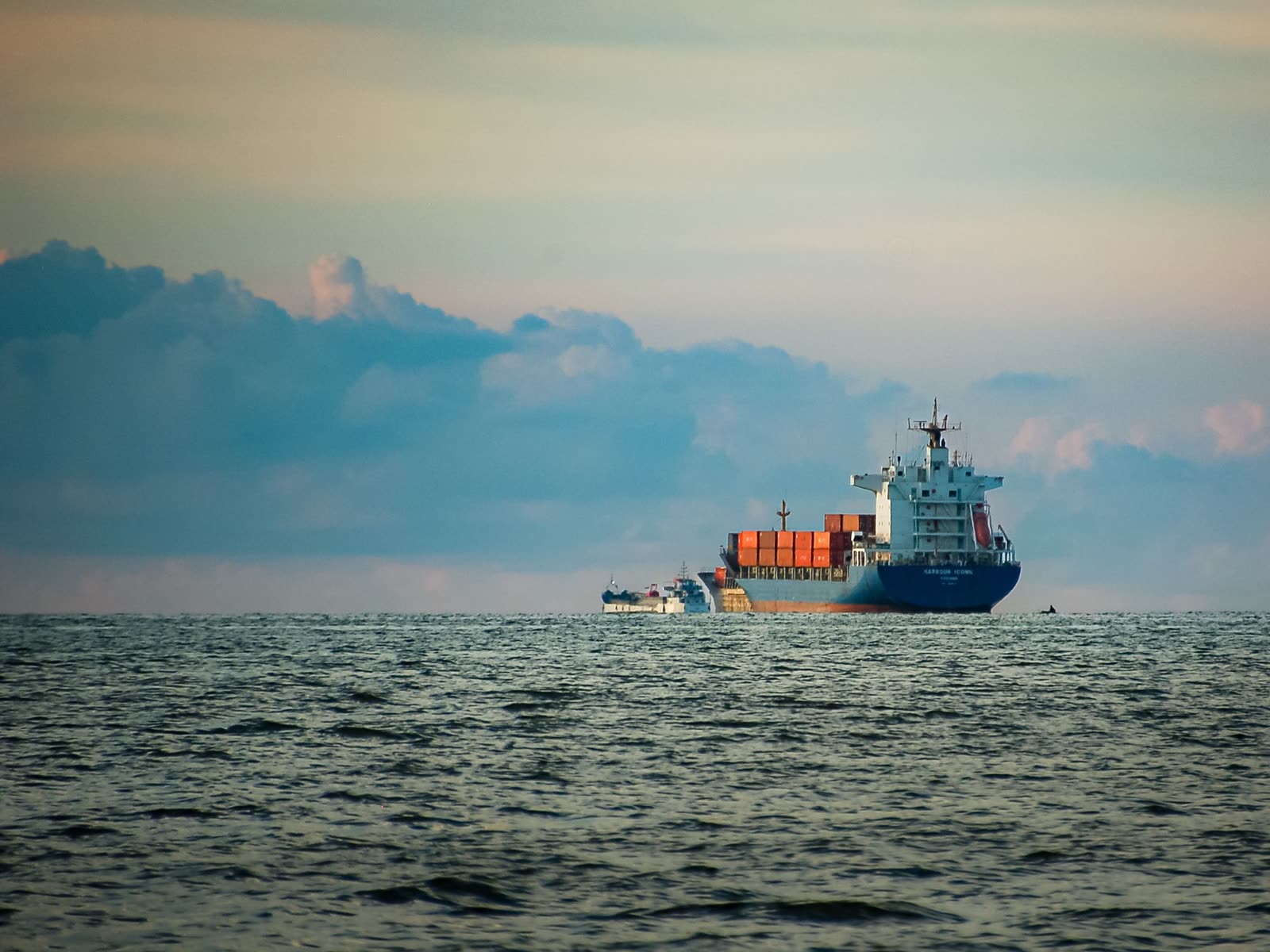
Could you book a fixed weekly sailing through the Arctic yet?
The PanStar Acro made the Arctic passage, but the ice moved its arrival dates, and liner customers buy a fixed weekly day held all year.
South Korea's PanStar Acro reached Europe through the Arctic in 21 days and returned after 50 with only empty containers. The route is open a few months a year, and ice sets the arrival dates. Liner customers buy a fixed weekly sailing all year, so for now this is a seasonal route. The 2027 trial will show whether that can change.
South Korea's PanStar Line has sailed a container ship from Busan to northern Europe and back along Russia's Arctic coast. It is the first round trip of its kind by a Korean carrier. The 2,758 TEU PanStar Acro reached Felixstowe, its first European call, 21 days after leaving Busan. Seoul wants a regular container service on the route by 2030.
The ship did what it was sent to do, but it did not arrive on the planned day. Felixstowe had been pencilled in for 9 September, and the ship arrived on the 12th. Drifting ice held it overnight near Wrangel Island, off Russia's far north-east. Winds of about 40 knots in the Laptev Sea forced it to slow. The round trip took 50 days against a plan of 45.
On a trial, that slippage is useful data. A liner service can't absorb it. Every liner schedule I have worked on starts from one fixed day a week at each port, held all year. The shipper books Thursday's sailing because another one leaves next Thursday, in January as in August. The terminal plans its berth window around that day. The rail slot, the haulier and the importer's warehouse plan around the terminal. On a weekly loop, arriving three days late at Felixstowe means a missed window, and the ship takes whatever berth is free.
Was this just one ship's bad luck? China's summer suggests not. Sea Legend Shipping ran eight weekly Arctic sailings from China this year, and some ran four to nine days late, according to vessel tracking cited by gCaptain. Sea Legend then brought its last two departures forward to 27 September because forecasts showed the ice spreading in October. The forecast decided when the season ended.
The late days also decide how many ships the service needs. A weekly service on a 45-day round trip needs seven ships. On the 50 days this voyage took, it needs eight. China ran seven ice-strengthened ships for one season and then stood them down. That is a seasonal express, sold as one, and it suits cargo that can wait for summer.
A weekly service needs a season long enough to write annual contracts against. Oceans Minister Hwang Jong-woo's own estimate is that the season will pass six months a year within 15 years.
The test comes with the second trial, which the oceans ministry plans for 2027. If that voyage publishes fixed European arrival dates and keeps to them, the route is moving toward a liner service. The benchmark is this year's voyage: due at Felixstowe on 9 September, arrived on the 12th.