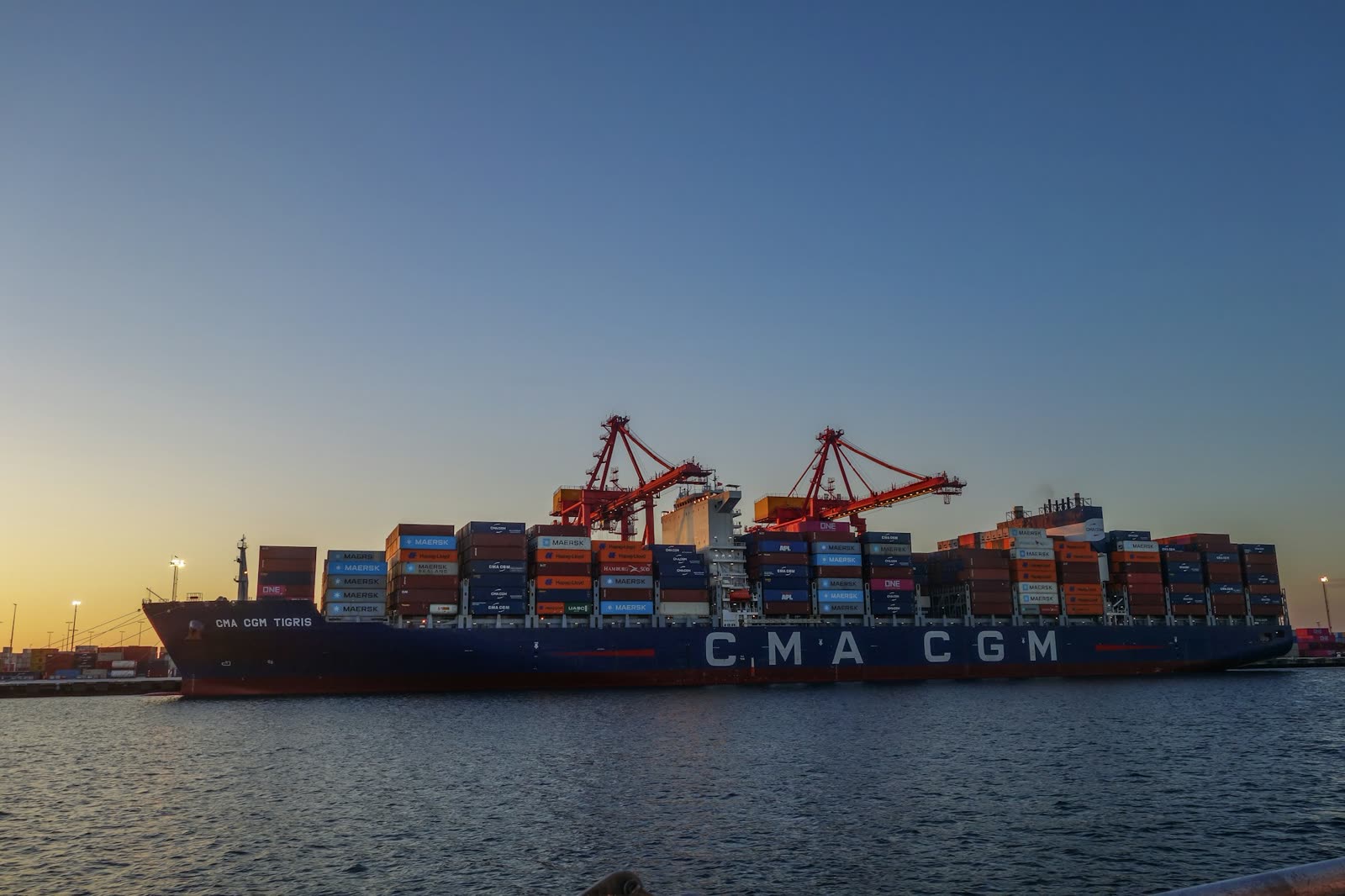
Hapag-Lloyd must refile its $4.2 billion ZIM takeover in Israel
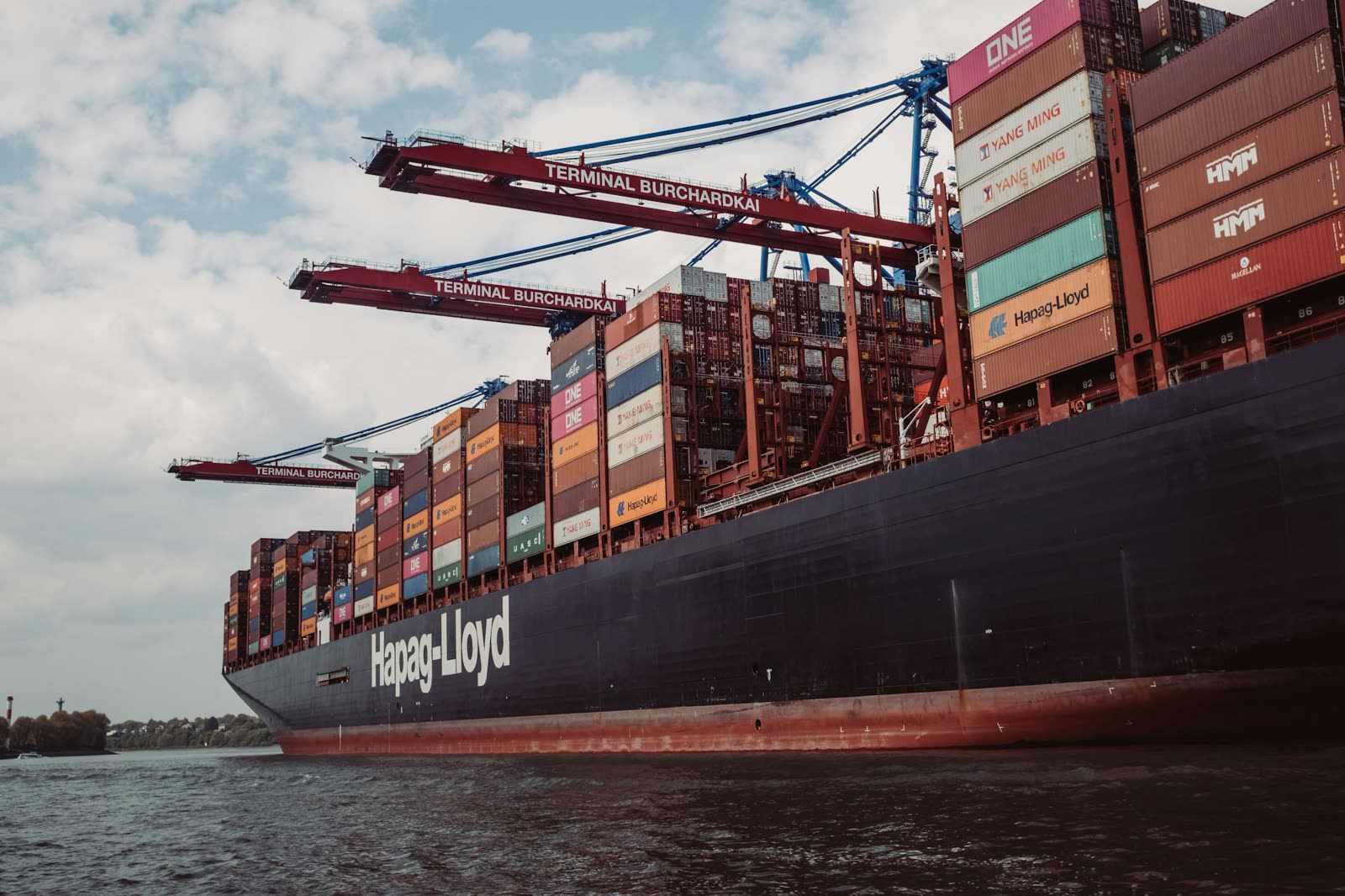
Will a new review finish before the merger agreement runs out on 17 February?
What a restarted review means for the networks, charters, systems and agencies that cannot be combined before closing, and the dates that now matter.
Israel has closed its review of Hapag-Lloyd's takeover of ZIM and asked for a complete new filing. Until the deal closes the two lines must keep competing, so networks, chartered ships, systems and agencies stay apart. How long that lasts depends on when a full filing arrives and how long the state takes with it.
Israel has closed its review of Hapag-Lloyd's $4.2 billion takeover of ZIM, the Israeli container line, and asked for a complete new application. The letter went out on 29 September from the Government Companies Authority, which looks after the state's special share in ZIM. State approval is a condition of closing, so a restarted review moves the closing. Until then Hapag-Lloyd and ZIM remain two competing carriers.
The special share requires the state's written consent before anyone holds 35% or more of ZIM. Hapag-Lloyd's answer was a carve-out. FIMI, an Israeli private equity fund, would own a separate Israeli carrier with 16 vessels and the ZIM brand. The authority said the revised version it received in September was a list of principles and not a binding document. The new application has to be complete and approved by the boards of ZIM, Hapag-Lloyd and FIMI.
For a shipper, nothing changes. Bookings, schedules and contacts stay where they are. The cost of the delay sits inside the two companies, in decisions that wait.
Hapag-Lloyd set the rule itself in February. The two lines remain competitors, and cooperation stays limited to existing vessel sharing and slot charter agreements. So the networks, the chartered ships, the systems and the agencies all stay apart. The networks are where the money is. Hapag-Lloyd expects $300 to 500 million a year from the combination, and network is the largest part. None of that can be planned jointly yet.
Systems are the hardest of the four, because this time a split comes before the migration. One ZIM system estate has to become two. One part stays with the Israeli carrier and the other moves to Hapag-Lloyd's platform. Which bookings, contracts and equipment records go where depends on which trades the Israeli carrier gets. That list changed on 24 September, when a weekly Far East service was added, and it may change again in the new filing. So the split can be sketched now, but it cannot be fixed until the state approves the perimeter. The filing the authority is waiting for is also the one the integration work is waiting for.
How long will that take? The first review ran from March to late September without a decision. If the new one takes six months again, the answer comes in May 2027. That is arithmetic on published dates, and nobody has forecast it. The merger agreement runs out on 17 February 2027 unless extended.
The thing to watch is the date a complete, board-approved application reaches the authority. Hapag-Lloyd promised full documents within 45 days of 24 September, which ends around 8 November. The count toward the February date starts when that filing lands.
Primary sources
- officialHapag-Lloyd signs merger agreement with ZIM (press release) Hapag-Lloyd, 2026-02-16
- officialInvestor Presentation: Hapag-Lloyd signs merger agreement with ZIM Hapag-Lloyd, 2026-02-17
- officialForm 20-F for fiscal year 2025 ZIM Integrated Shipping Services, 2026-03-09
- officialZIM Announces New Operational Cooperation with MSC Covering the Strategic Transpacific Trade ZIM Integrated Shipping Services, 2024-09-09
- Council Regulation (EC) No 139/2004 on the control of concentrations between undertakings European Union (EUR-Lex), 2004-01-20