Freight costs are pricing US crude out of Asia
Why does a small Aframax now cost as much per barrel as a VLCC?
The $80 million voyage is set by supertankers held for days in transfers off Oman, and the November fixtures show Asian buyers changing ship size as well as supplier.
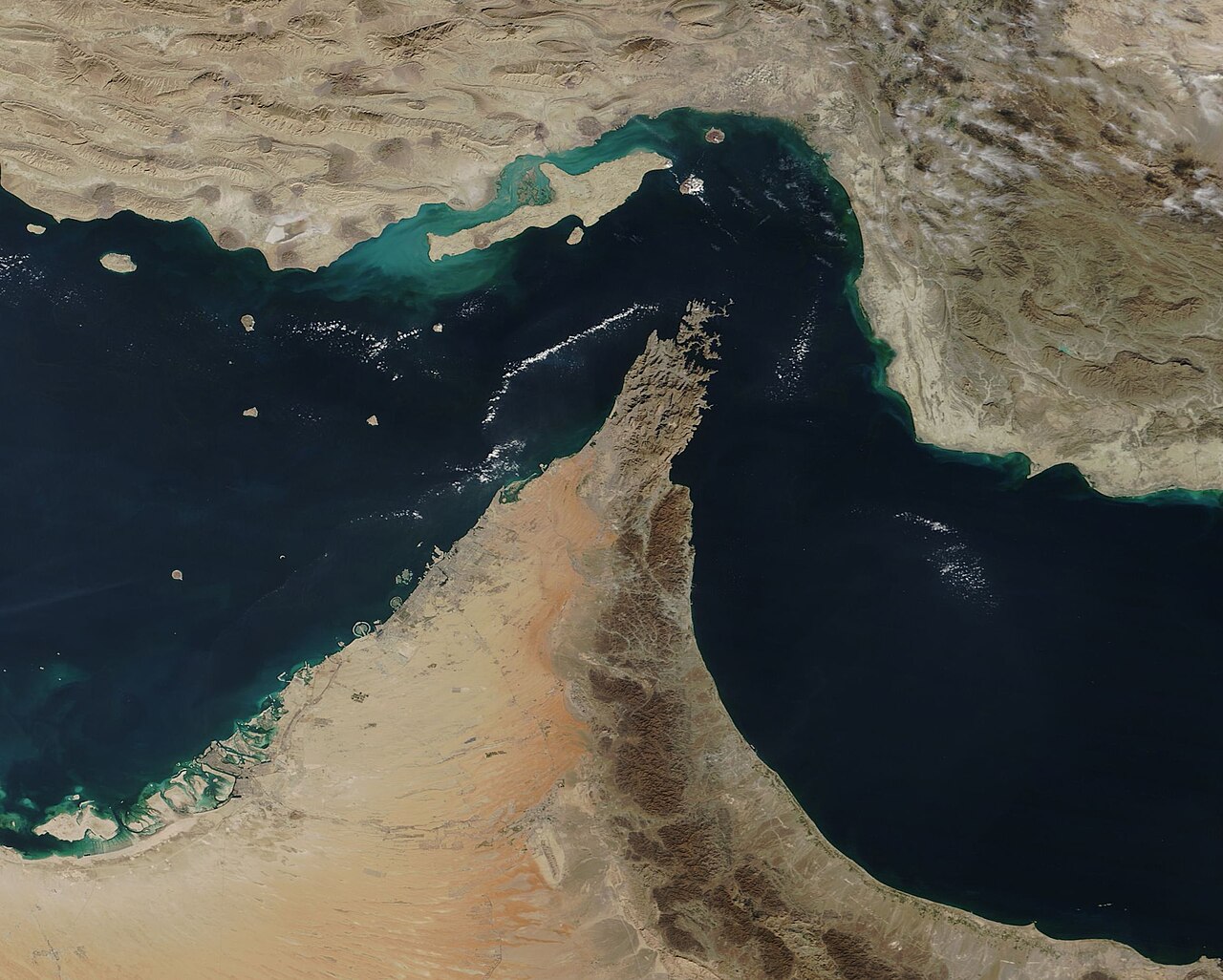
Shipping US crude to China now costs about $40 a barrel, close to half the oil's price, so Asian refiners are looking elsewhere. The cause is lost ship time. With the Strait of Hormuz shut, supertankers sit for days in transfers off Oman. Until those ships come free, freight decides which barrels reach Asia, though some buyers will still pay for supply security.
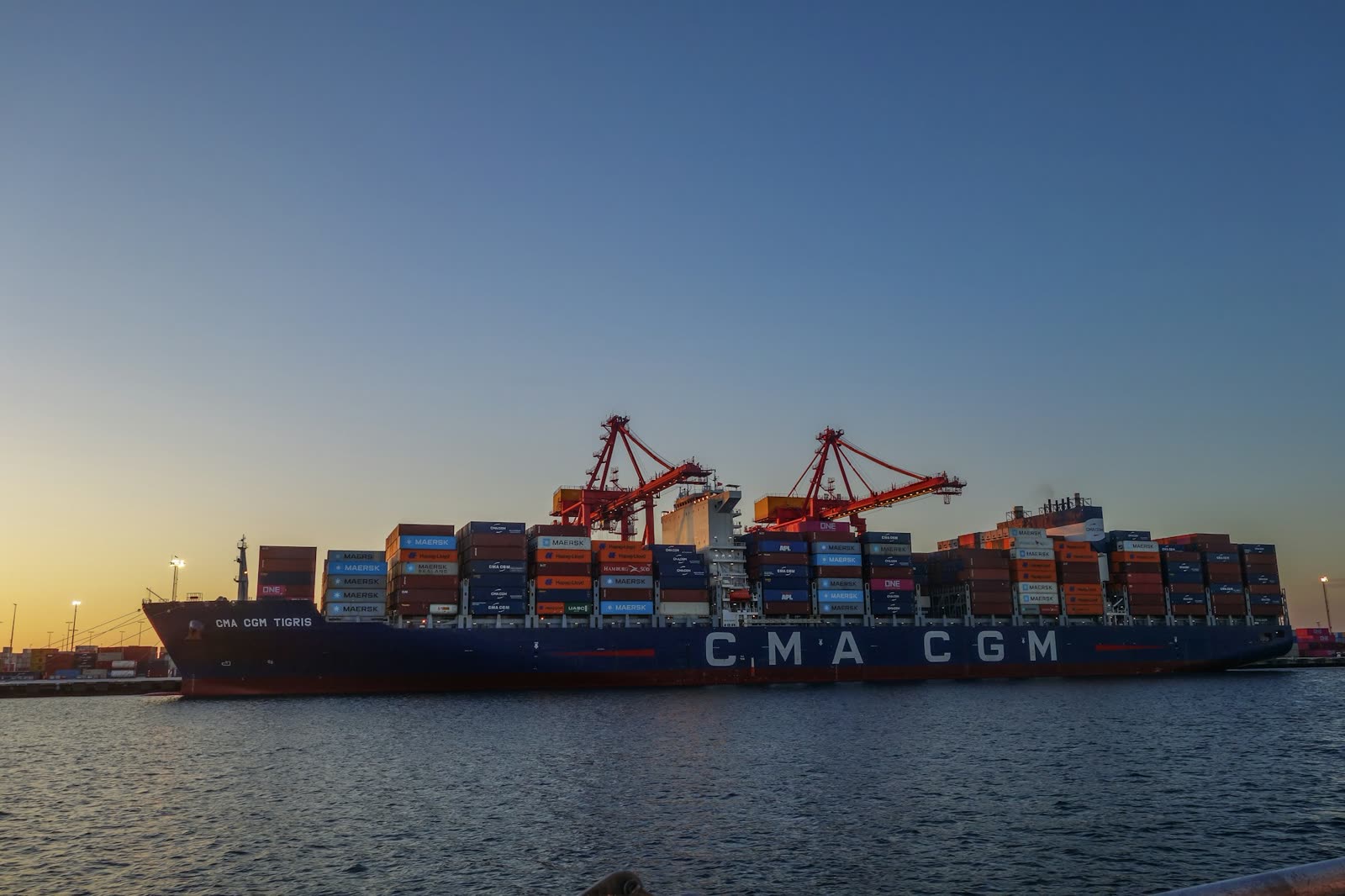
Shipping two million barrels of US crude from the Gulf of Mexico to China on a very large crude carrier (VLCC) cost $80 million last week, for loading in November. That is about $40 a barrel. Before the US-Israeli war on Iran began in February, it was $8.60. Traders say the arbitrage that lets Asian refiners buy US oil has closed.
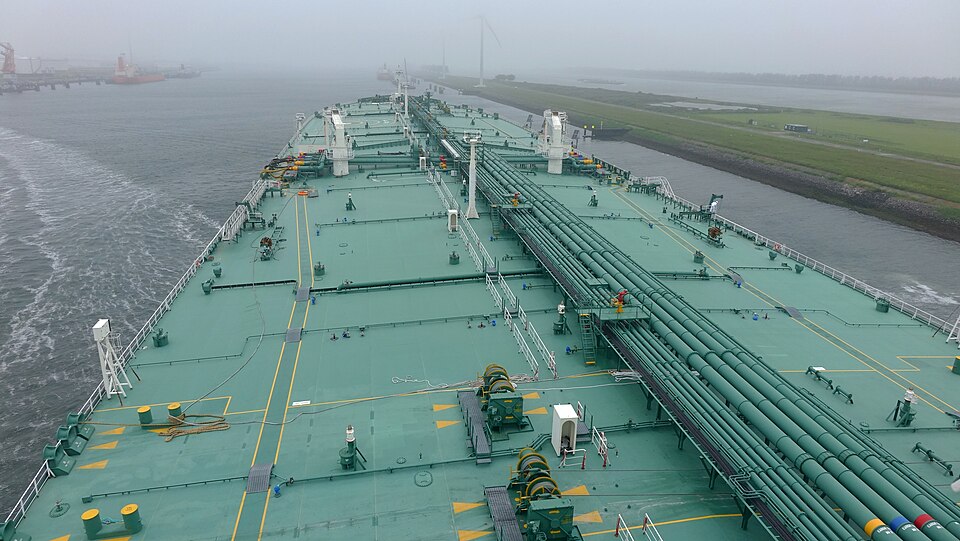
A smaller fixture says more. Trafigura chartered the Aframax Torm Hilde to load US crude for Japan on 1 November. She carries about 600,000 barrels and was fixed at $24 million. That is also $40 a barrel. The VLCC runs this route because it is cheaper per barrel over a long haul. At these rates it has lost that edge.
Why does the big ship cost as much per barrel as the small one? Because VLCCs are scarce. The Strait of Hormuz has been largely shut since the end of February, so Gulf crude leaves by shuttle. Tankers carry it out and transfer it onto VLCCs waiting off Oman and the UAE. Vortexa, the energy analytics firm, estimates that a fully laden VLCC needs five or six days to complete one transfer. Al Jazeera reported that 15% to 20% of the VLCC fleet is tied up in the shuttle. A ship held off Oman cannot load anywhere else.
Asian refiners made it tighter. Traders estimated September US-to-Asia loadings at more than 40 million barrels, against about 22 million in August. Asia's buying of US crude helped lift the freight that is now pricing it out.
Crude is bought on a delivered price, and at $40 the voyage is a large part of it. An analyst at a trading firm told Reuters that Abu Dhabi's Murban crude was about $2 a barrel cheaper than West Texas Intermediate delivered to Asia. SK Energy of South Korea and Trafigura tried to book VLCCs at $76 million to $77 million and failed. Japan's Cosmo Oil provisionally fixed one at $81 million.
Moving down a size does not settle it. Vitol's $27 million Aframax fixture to carry US oil to South Korea did not go through. And an Aframax matches the VLCC's cost per barrel only while few charterers want one.
So what US crude costs in Asia now depends on when the shuttle off Oman releases its VLCCs. The Baltic Exchange benchmark for the route, TD22, reached $79.6 million on 8 October. It eased slightly the next day. Watch whether that dip becomes a trend. Until it does, freight decides which barrels reach Asia.
Primary sources
- U.S. Gulf Coast port limitations impose additional costs on rising U.S. crude oil exports U.S. Energy Information Administration, 2018-05-16