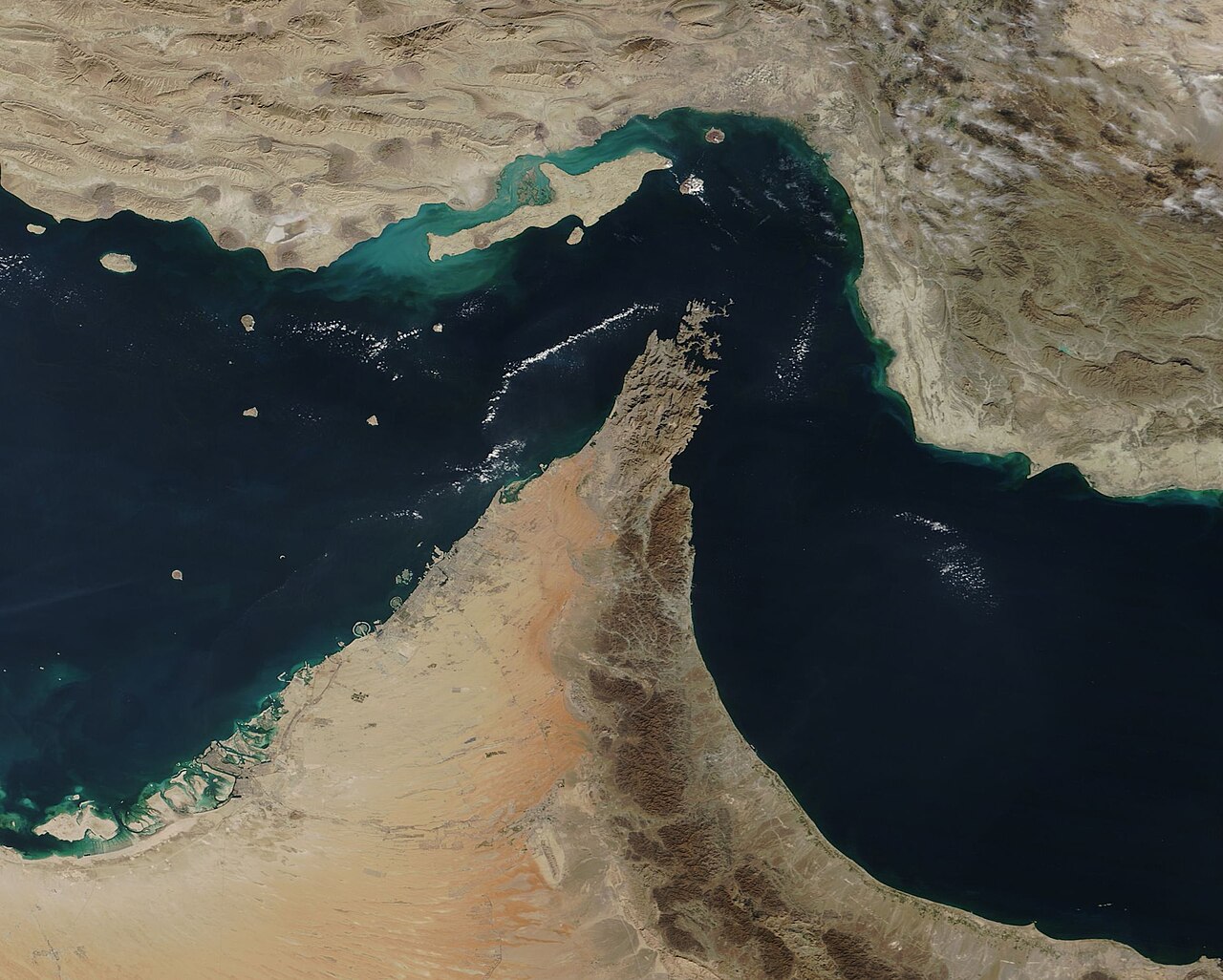
Ship GFS Pride sinks in the Strait of Hormuz
War premiums are up to 30 times their prewar level. Who still crosses the strait?
Why the mine-or-missile argument matters more to underwriters than to the routing decision, and which part of the Gulf container network is still carrying the risk.
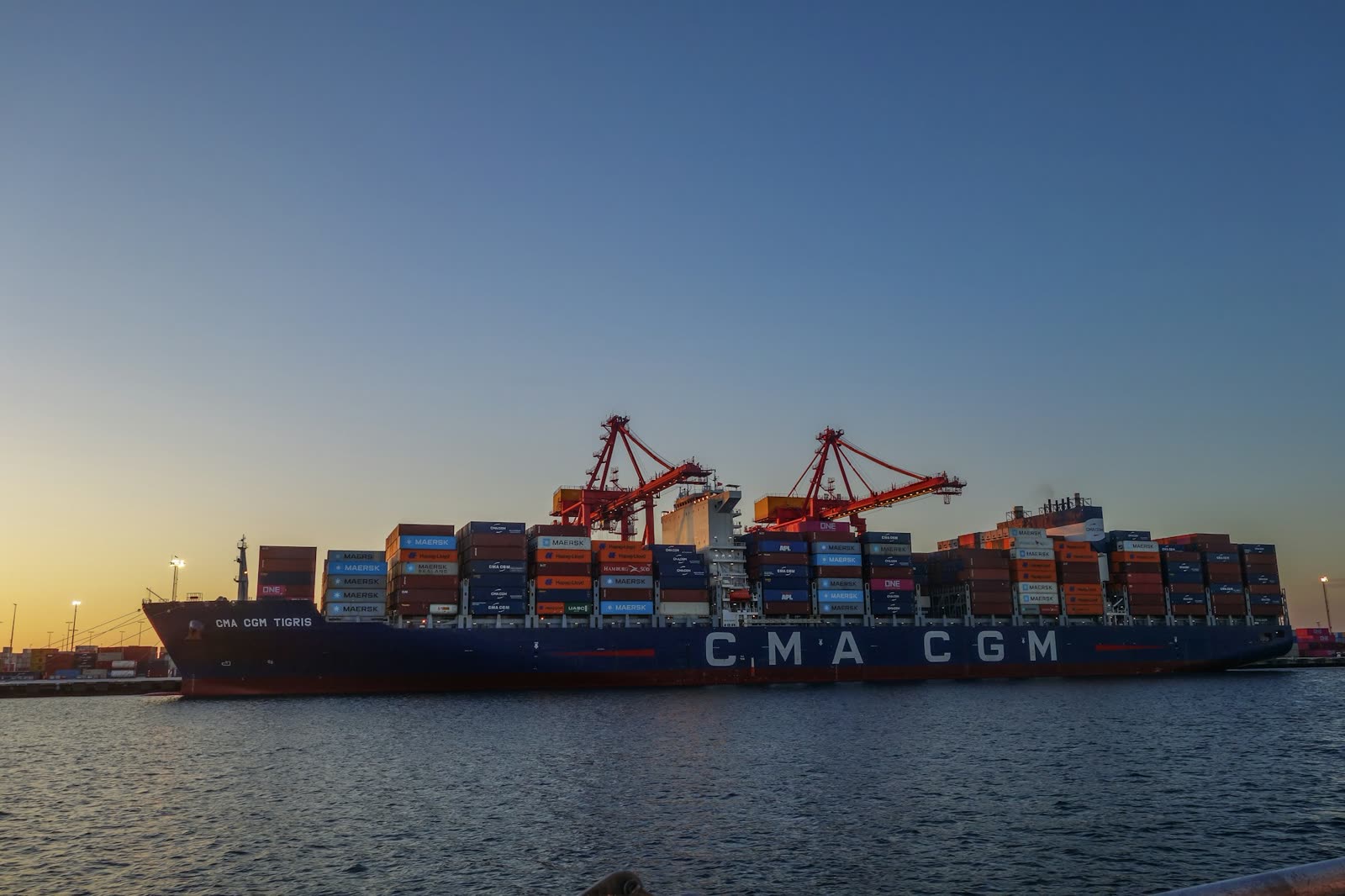
A Singapore-flagged container ship sank in the Strait of Hormuz, and Iran and the US disagree on whether a mine or a missile did it. Insurers want proof the lanes are clear before they cut rates, so either answer keeps the crossing expensive. Large carriers like Maersk have moved Gulf cargo to ports outside the strait, leaving the crossing to regional feeder ships.
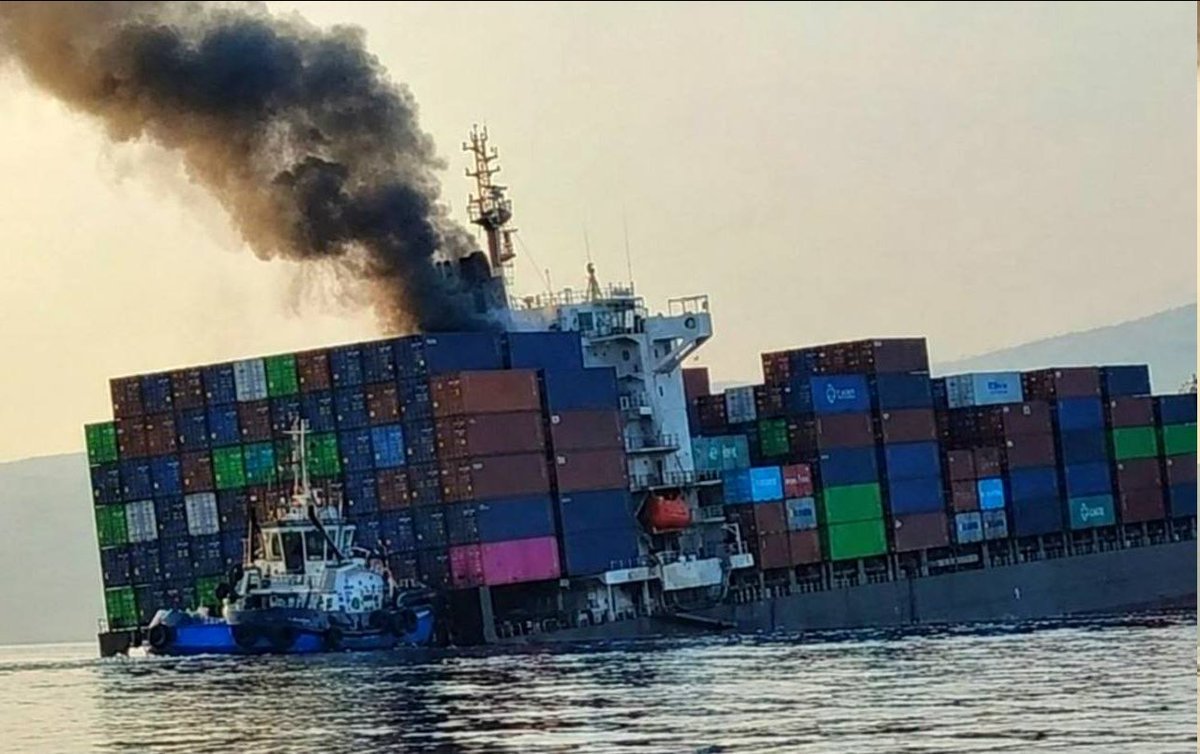
Iran's Revolutionary Guards navy said on 14 October that a container ship had hit a naval mine in the Strait of Hormuz and sunk. Singapore's Maritime and Port Authority confirmed the loss of the GFS Pride, a 2,824 TEU ship under its flag. All 21 crew were evacuated. Singapore blames unidentified projectiles, and a US official said Iran had most likely hit her with a missile.
The two governments are really arguing about the US mine clearance. Iran said the ship had used an "unauthorised and dangerous" route, and it treats the lanes the US backs as prohibited. In September the US said it had finished clearing mines from the primary shipping lanes. If a mine sank her in one of those lanes, the clearance failed.
The London war-risk market is watching that question, and it has already said what it needs. In August, according to Insurance Business, the Joint War Committee said it would keep Hormuz listed until three things were in place. It wants sustained incident-free passage, a settled political picture and formal evidence that demining is complete. A mine fails the third test. A missile fails the first. Either way, the listing stays where it is.
So the crossing stays expensive. Before the war began on 28 February, war premiums for a Hormuz transit were about 0.25% of hull value. Estimates in late August ran at 3% to 8%.
The mainline networks had stopped outside the strait well before this week. Since late July, Maersk has routed cargo for Kuwait, Iraq, Qatar, Bahrain and the UAE through Salalah in Oman and Khor Fakkan, on the UAE's Gulf of Oman coast. From there it goes on by truck.
That leaves the containers that still cross the strait to regional feeders. The GFS Pride and the GFS Giselle belong to the same Dubai-based operator, and both were hit within a day. Safeen Feeders' Al Saadiyat, a 1,730 TEU ship, was also reported targeted. The war risk of serving the Upper Gulf has passed down the chain to the feeder that runs the last leg.
It has also passed to that feeder's crew. Seafarers on International Bargaining Forum agreements can refuse to sail into the area. Those who go are paid a bonus of 100% of basic wage for each day there.
The verdict on mine or missile will decide the underwriters' file. To see whether routing changes, watch for the first mainline carrier to send its own ship through the strait to Jebel Ali, inside the Gulf, and bring her out unhurt. That will change routing faster than anything said in Tehran or by Central Command.