Container rates rise 130% since the Iran war began
Which line on your invoice comes down first?
Split into the lines a carrier bills, the rise since February is mostly transpacific base freight and a few hundred dollars of fuel. The war-risk charges sit on Gulf cargo, which the global index does not track.
Container freight rates are up about 130% since the Iran war began in February. Most of that rise is the basic ocean rate on the Asia to US trade, which never goes near the Gulf. War-risk charges sit on Gulf cargo instead. So the global number should fall as ship capacity returns, long before those charges come off.
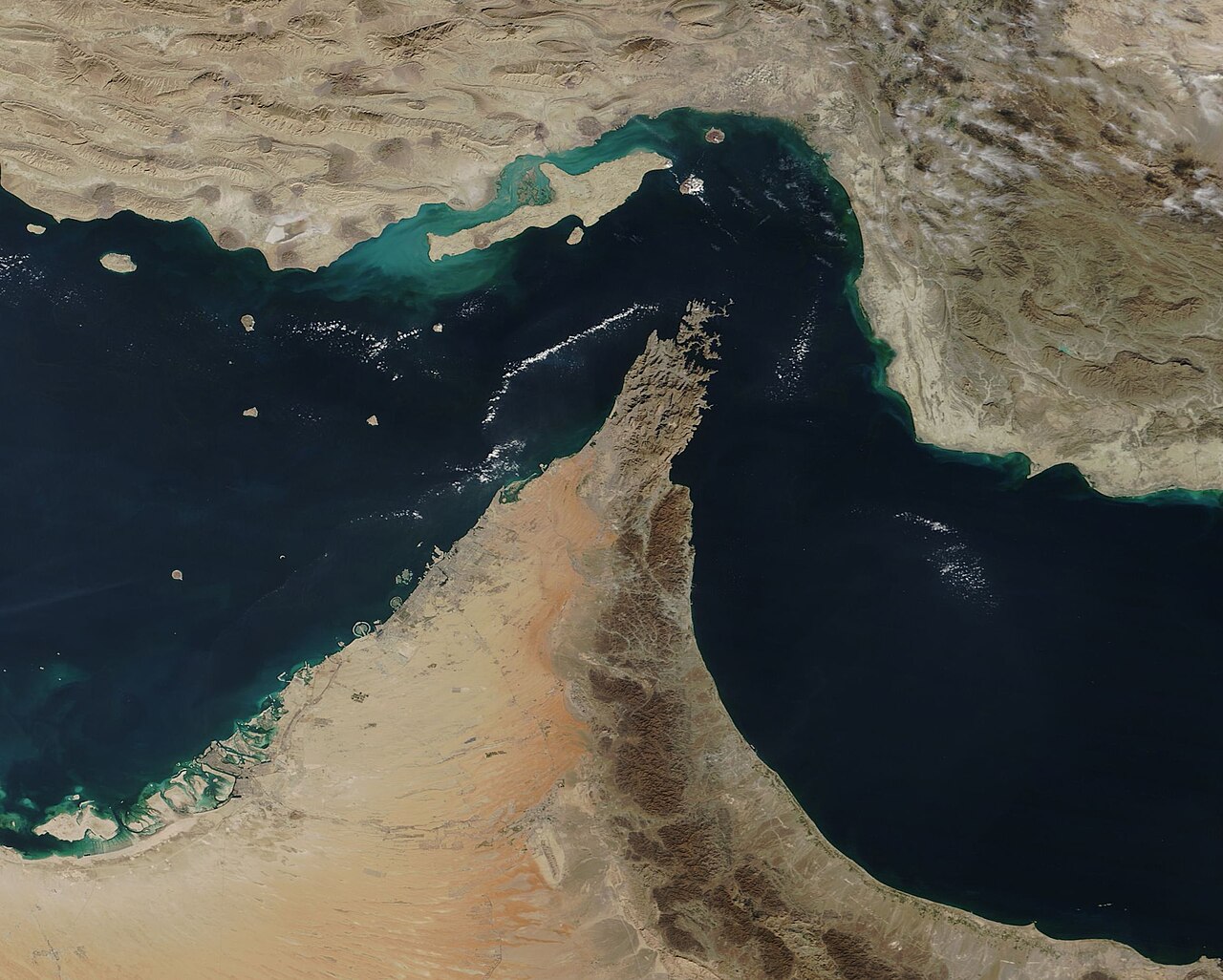
Container freight rates have risen about 130% since the US and Israel attacked Iran at the end of February. The figure comes from a note by the brokerage Jefferies, reported on 19 October. The Strait of Hormuz was effectively closed within days, and most coverage reads the 130% as the price of the war. Split into the lines a carrier invoices, very little of it is a war charge, and that decides when the number comes down.
Drewry's World Container Index shows the same move. The lane that rose most never goes near the Gulf. Shanghai to Los Angeles went from $2,191 per 40ft on 26 February to $7,884 on 15 October. That is a rise of $5,693.
A liner quote has three lines, and each one moves for its own reason. On that Los Angeles box the war-risk line is zero. The fuel line is a few hundred dollars, because the carriers' emergency fuel charges came to $320 to $530 per 40ft. Fuel explains less than a tenth of the rise. More than $5,000 is the price of the slot itself.
So why does a slot cost that much on a trade that does not touch the Middle East? In June, Xeneta tied the transpacific spike to congestion at Singapore and at Port Klang in Malaysia. The congestion came as carriers reworked their networks around Hormuz. Xeneta gives demand no credit. The war reached the transpacific through capacity, so its cost sits in the base rate.
The war is billed as a war on Gulf cargo. A 40ft dry box into the Gulf with Hapag-Lloyd carries $3,000 of war risk surcharge. None of it is in the global composite. That charge comes off only when the Gulf reopens.
Base freight runs on a different clock and falls when capacity returns. Xeneta says Asian port congestion is easing as the typhoon season ends. Ships are also starting to go back through Suez, and a shorter voyage lets the same ships make more trips a year. The global index can slide back while Gulf invoices still carry $3,000 a box.
So a West Coast importer who asks for the war surcharge back is asking for a line his invoice does not carry. His money is in the base rate. Spot cargo feels the fall first, and contract cargo feels it at renewal.
Watch the achieved transpacific rate. Xeneta's three-month view is $4,500 to $5,500 per 40ft to the West Coast, against $7,884 on 15 October. That would take back roughly half the rise without any surcharge being withdrawn.
Primary sources
- World Container Index assessed by Drewry Drewry, 2026-10-15