Hapag-Lloyd's revised ZIM bid
Israel wants an independent carrier. So, who supplies the Far East ships?
What 16 ships, four weekly services and a separate IT system mean for the people who would have to run Israel's new carrier.
Hapag-Lloyd and FIMI have offered Israel a bigger, separate Zim Israel to win approval for their $4.2 billion Zim deal. Sixteen ships look thin for four weekly services, so the new carrier may still rely on Hapag-Lloyd. That reliance is what Israel's Finance Ministry objects to, and the November framework has to answer it.
Hapag-Lloyd and FIMI, an Israeli private equity fund, submitted a revised structure on 24 September for their $4.2 billion takeover of Zim, the Israeli container line. The price stays at $35 a share.
The change is in the Israeli piece. That is a separate company called Zim Israel, which FIMI would own while Hapag-Lloyd takes Zim's international network. Zim Israel now gets 16 ships and a weekly Far East service.
The Israeli government has to approve the deal, and it doubts that Zim Israel could stand on its own. Four days after the submission, its Finance Ministry said the risks "significantly outweigh the benefits".
Why Zim Israel keeps growing
Israel kept a golden share when it sold Zim in 2004. The share obliges Zim to keep a presence in Israel, including 11 ships that must stay Israeli-owned. A change of control needs the state's consent.
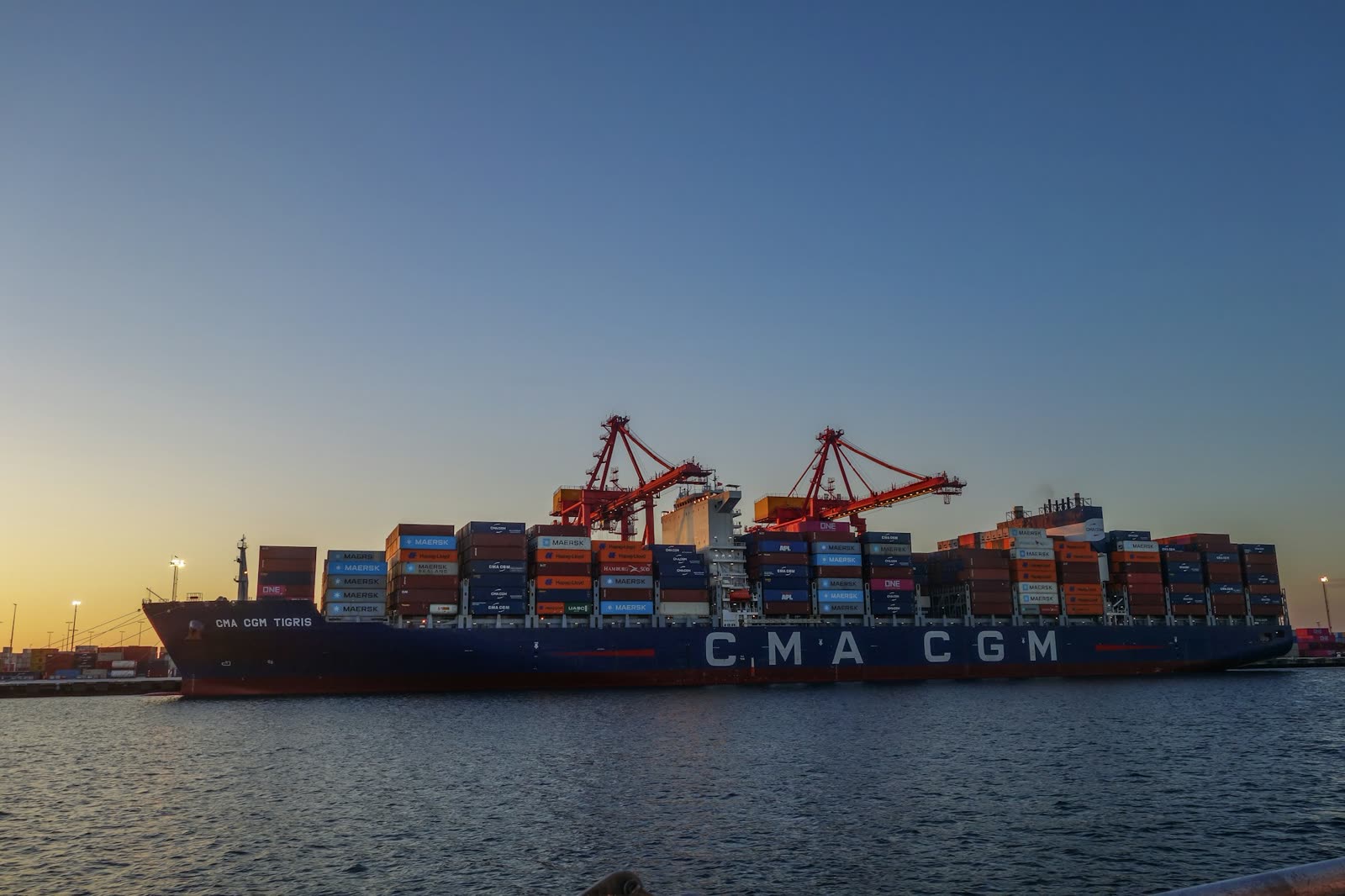
That clause is why the deal has two buyers. Zim runs 115 container ships, totalling 707,000 TEU. It charters about nine in ten of them. The ships that meet the golden share are the few it owns. Hapag-Lloyd takes the international network, including the Asia to Americas trades. The owned core and the golden share go to FIMI.
The state cares about that core because of the war. In February, Zim's workers' committee told a committee of the Knesset, Israel's parliament, that Zim ships carried ammunition, food and medicine to Israel during the war.
The Finance Ministry's 33-page position paper puts the doubt in writing. It says Zim Israel "is not being established as a fully independent shipping company". It lists structural dependence on Hapag-Lloyd as a risk.
It also objects to the Gulf shareholders in Hapag-Lloyd. Qatar holds 12.3%, and Saudi Arabia's sovereign fund holds 10.2%.
The revision takes on the dependence point one item at a time. Twelve of the 16 ships would be owned and four chartered. The stake anyone can take without government approval drops from 24% to 10%.
The operating list is longer. Zim Israel would run four services: Far East to Israel, Israel to the US East Coast, and two intra-Europe strings. It would double its reefer capacity. It would also keep vessel management in Israel and run its own IT system.
What Zim Israel would run alone: ships, systems, crew
Zim Israel would have to run every item on that list itself, at a scale neither parent works at today. The Finance Ministry calls this a loss of economies of scale on "relatively aging vessels".
As commercial design, the structure is sensible. It is a familiar model: a small national carrier owns its core ships, buys slots for reach and sits beside a big partner. The hard part is making it run, and three things stand out.
The first is the rotation. A weekly service needs one ship for every week of the round voyage. A Far East to East Mediterranean loop takes seven or eight ships through Suez. Around the Cape it takes eleven or twelve. Israel to the US East Coast takes five or six. The two European strings need a few more.
Added together through Suez, the total just reaches 16, with nothing spare for drydock. Around the Cape, it passes 20.
The Loadstar reports that analysts are asking the same question. The proposal gives Zim Israel 16 ships but does not yet say which of them run the Far East service.
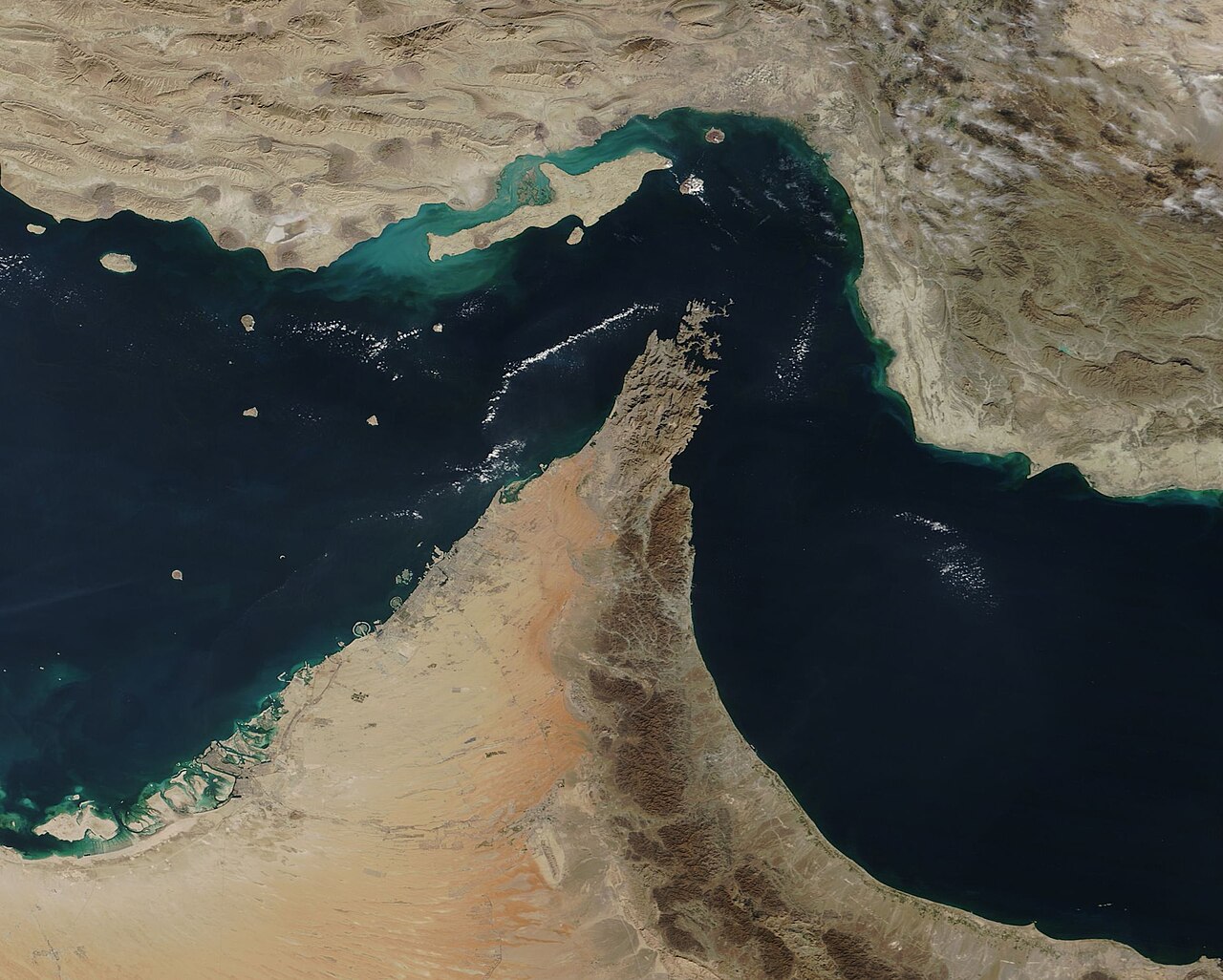
For these particular ships, the Cape is the likely route. When the Houthis narrowed their campaign in January 2025, they kept ships flagged in Israel or wholly owned by Israelis on their list. Zim Israel's owned ships fit that description exactly. For everyone else, the return to the Red Sea has been on and off. Carriers went back around the Cape in March.
So the Far East service will probably rely on Zim Israel's long-term commercial agreement with Hapag-Lloyd, for slots or for ships. Carriers buy slots from each other every day. But this is also the dependence the Finance Ministry named. That makes the ship list more important than the route list.
The second is systems. Zim Israel needs its own booking and documentation. It needs equipment control for a larger reefer fleet, and Israeli customs manifests. It needs terminal messaging with the Israeli ports of Haifa and Ashdod, and a slot-booking link into Hapag-Lloyd. From my years on the software side, a carrier with 16 ships sets up a packaged liner system rather than building one.
The question is day one. If the new system is not live at closing, Zim Israel runs on Zim's existing platform. By then, that platform belongs to Hapag-Lloyd. That would be the same dependence again, this time in software.
The third is crew. The Finance Ministry counts Zim Israel's workforce at 61 seafarers and 80 to 120 essential shore staff. Sixteen ships on normal crew rotation need several hundred seafarers. Unless the promised Israeli seafarer programme is large and fast, foreign crews would fill most of those berths.
The state wants these ships available in a war. For that purpose, 61 is the number that has to grow.
What the November framework has to answer
The companies have 45 days from 24 September to file full documentation, which puts it in early November. Closing was once planned for late 2026 and now looks like mid-2027.
The Finance Ministry and the Prime Minister's Office oppose the deal in its current form. It is not clear whether the ministry had weighed the revision before it wrote.
The first thing I would read is the vessel list for the Far East service. If it names Zim Israel's own ships and says how they get east, the carve-out is a carrier. If it says "access to Hapag-Lloyd capacity", the ministry's objection stands as written, whatever the golden share threshold says. The second thing I would read is the IT go-live date, and whether it comes before closing or after.
Primary sources
- officialZIM Reports Strong Results for the Second Quarter of 2026 ZIM, 2026-08-19
- Despite Houthi pledge to limit attacks, the Red Sea remains highly volatile The Washington Institute, 2025-01-27