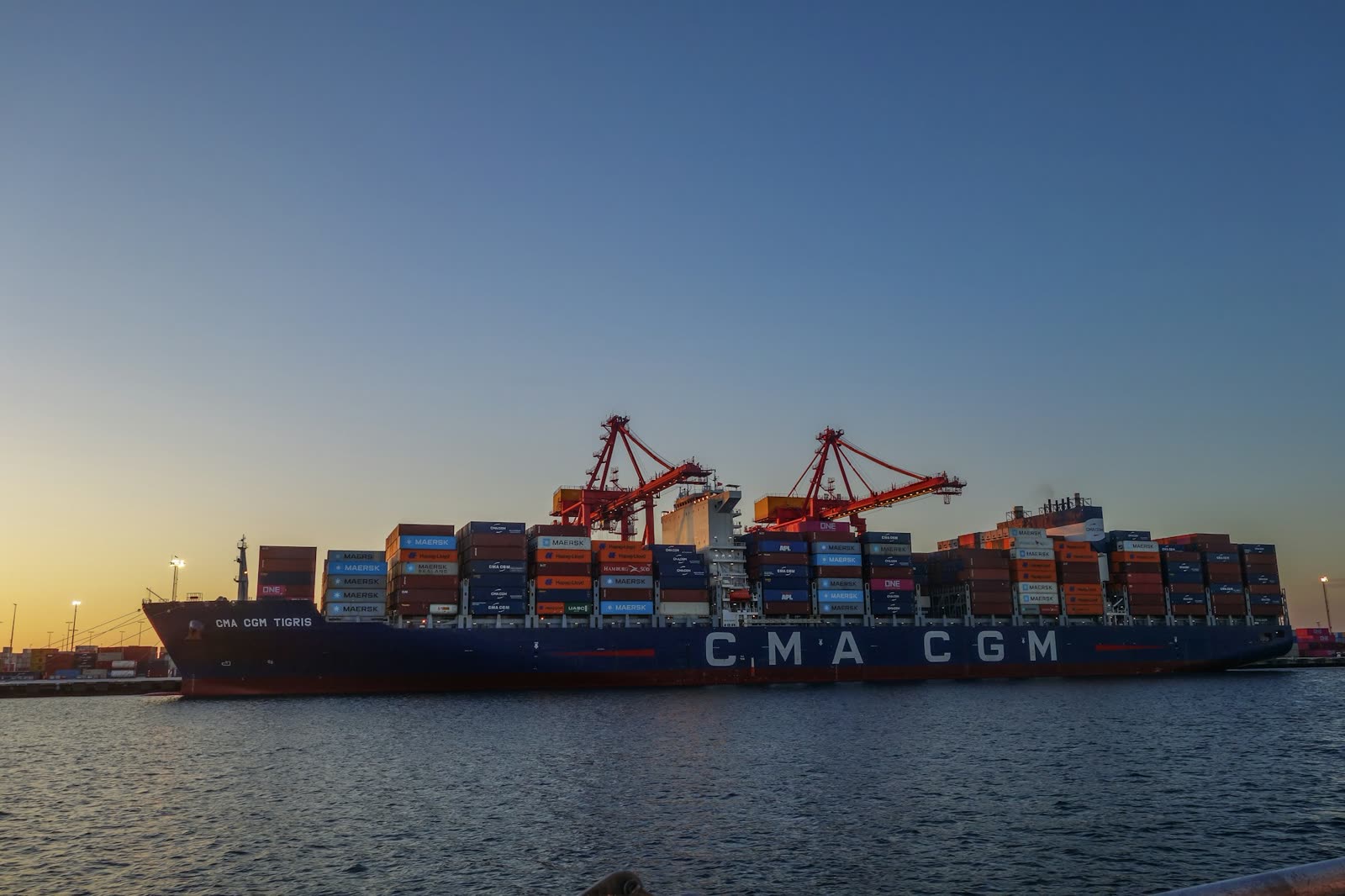
Asia's port backlog could take 10 months to clear
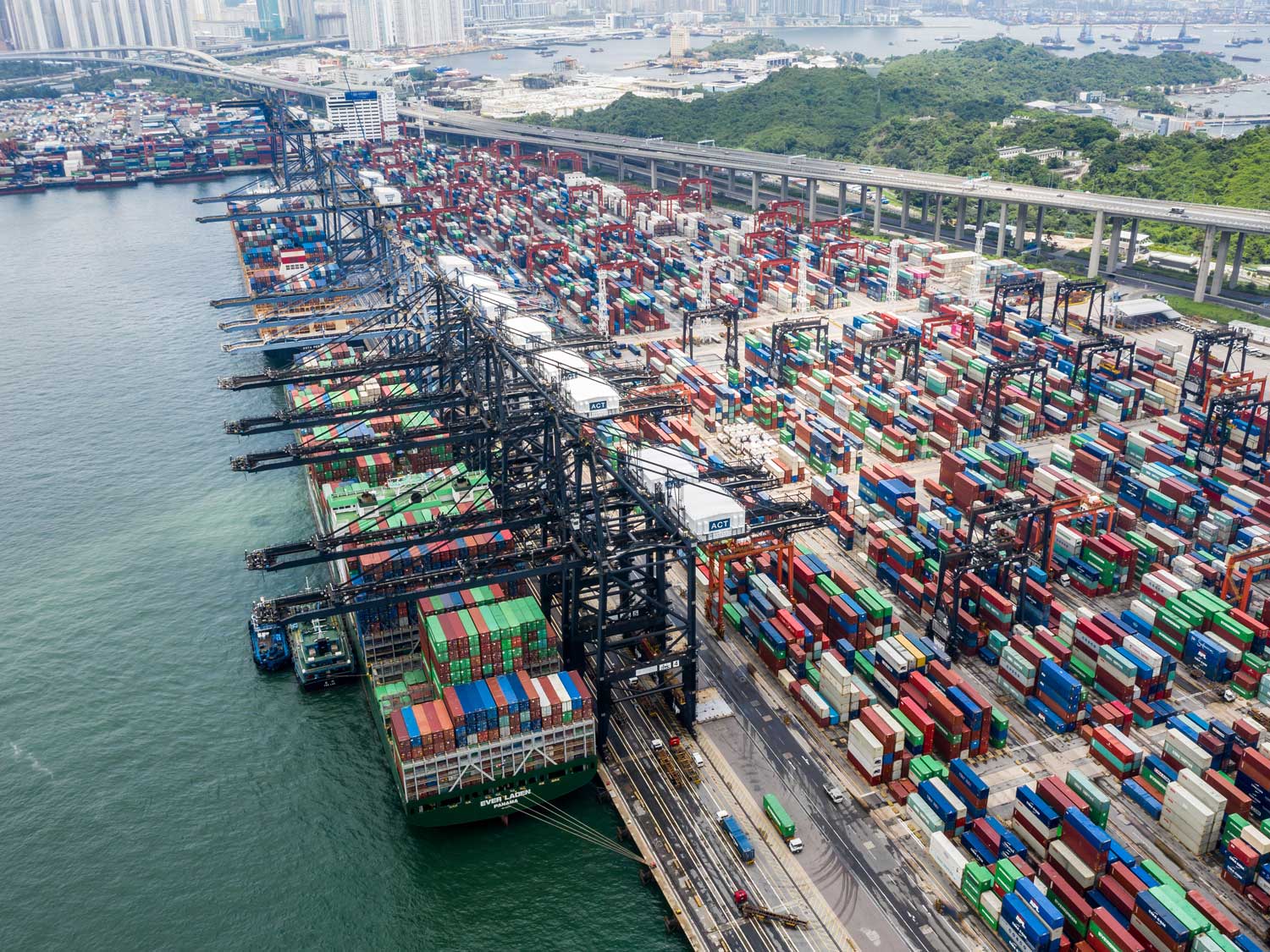
Waiting times are falling
Typhoon closures in China have left ships about a week behind schedule, and a week-late ship on a weekly service arrives in the next ship's berth window.
Typhoons at Asian ports, above all in China, have left about 8.5% of the world's container fleet tied up in delays. Late ships now run a week behind, which puts each one in the berth slot of the next ship on its service. The backlog shrinks only as ships regain their schedule, so the forecast runs to ten months.
About 8.5% of the world's container fleet, roughly 3 million TEU, is tied up in delays, according to the shipping analyst Sea-Intelligence. The firm traces most of it to typhoons closing Asian ports, with Shanghai and Ningbo in China hit hardest. It estimates seven to ten months before the figure returns to its June 2025 level. Chinese New Year falls on 6 February 2027, so the pre-holiday rush will load onto a network that is still behind schedule.
Yet waiting times at anchor are already easing. The forwarder Kuehne+Nagel put Shanghai's seven-day average wait at 5.46 days on 4 September and 3.66 days in the last week of the month. So why does the forecast still run to mid-2027? Sea-Intelligence measures lateness against schedule. A ship can berth within four days and still be a week behind.
A week is the number that matters. In August the late ships arriving in Asia averaged 7.28 days behind. Liner services run weekly, so a ship seven days late arrives in the berth window that belongs to the next ship on its own string. The terminal then has two vessels from one service and one slot. At a busy terminal the windows sit back to back, so the off-window ship waits for a gap.
The yard takes the same double load. The exports booked on the late ship gated in against its original ETA and are still there. The next ship's exports arrive on top of them. Ningbo's yard occupancy was between 92% and 95% in early September. A yard that full turns every load move into a dig. The cranes slow, the port stay lengthens, and the ship sails further behind than it arrived.
So a shorter queue at anchor does not put a ship back on its window. A carrier can speed up, omit a port, cut and run with exports left on the quay, or blank a sailing and slide the ship into next week's position. Only the slide restores the schedule, and it costs a sailing. The backlog therefore shrinks one blanked sailing at a time.
Carriers have so far been running doubles, with the late ship and the on-time ship leaving together. Sea-Intelligence counted 12 double sailings over two weeks on Asia to North Europe around Golden Week, China's 1 to 7 October holiday. It expects last-minute cancellations in mid-to-late October, because the doubles leave too much capacity once factory output drops. Those cancellations are also the cheapest chance a carrier gets to slide a late ship back onto its window.
The figure to follow is on-time arrivals at Shanghai and Ningbo, which were between 12% and 17% in August. Waiting days at anchor will improve first and will flatter the picture. If the on-time share is not clearly rising in the October and November data, plan on the long end of the range.
Primary sources
- officialAugust 2026 Reliability in Asia at 32.3% Sea-Intelligence, 2026-09-30
- officialGolden Week Capacity Distortions Sea-Intelligence, 2026-09-23