APM Terminals says it will stay at Oman's Salalah after 2028
Will APM Terminals run the quay, or just hold the shares?
Why Gemini's schedule at Salalah after 2028 depends on who plans the berths and whether the leased cranes stay, whoever holds the shares.
Oman will not renew the operating concession at the Port of Salalah after November 2028. APM Terminals, Maersk's terminal company, says it will keep a central role. Salalah is a relay hub for the Maersk and Hapag-Lloyd network, so the berth terms and the leased equipment decide whether the change shows up in schedules.
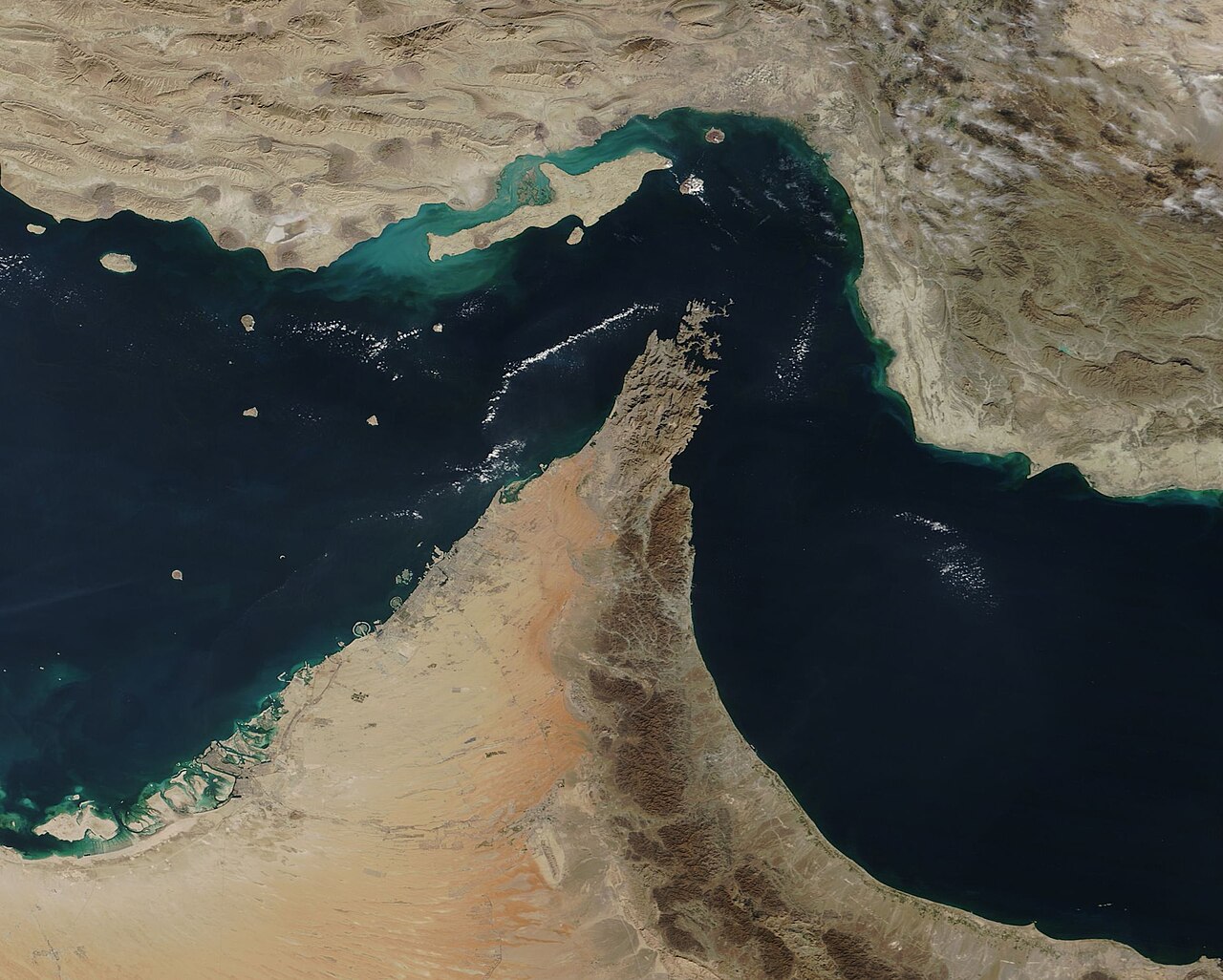
Oman's transport ministry will not extend the concession to run the Port of Salalah after 1 November 2028. Salalah is on the Arabian Sea coast of southern Oman. It is one of the relay hubs that Gemini, the Maersk and Hapag-Lloyd network, was built around. The government has not said who will run the quay next.
APM Terminals, Maersk's terminal company, says it will still be there. A spokesperson told The Loadstar the company "remains a central party" to the future structure and that "the final agreement is under conclusion." The ministry has not confirmed that. Both statements can be true, because APM Terminals has two roles at Salalah. It owns about 30% of Salalah Port Services, the listed concession holder. It also manages the terminal day to day under separate agreements. The new structure does not have to keep both roles.
Which role survives matters more at Salalah than at most ports. Xeneta data cited by The Loadstar counts 18 liner services there. Only two of them involve neither Maersk nor Hapag-Lloyd.
At a relay hub, the berth plan is the schedule. A mainline ship arrives with boxes for several shuttles, and each shuttle has to be alongside inside its window or the connection is lost. When a mainliner runs late, somebody has to hold a berth, move a gang or work a shuttle out of sequence. Gemini was built around hubs where that call sits inside the partners' own terminal companies.
Owning shares does not give APM Terminals that call. If it runs the terminal after 2028, Gemini's priority stays an internal decision. If it holds a stake while someone else runs the quay, the priority exists only on paper. A terminal services agreement would then have to set a berth window, a productivity commitment and a remedy when either is missed.
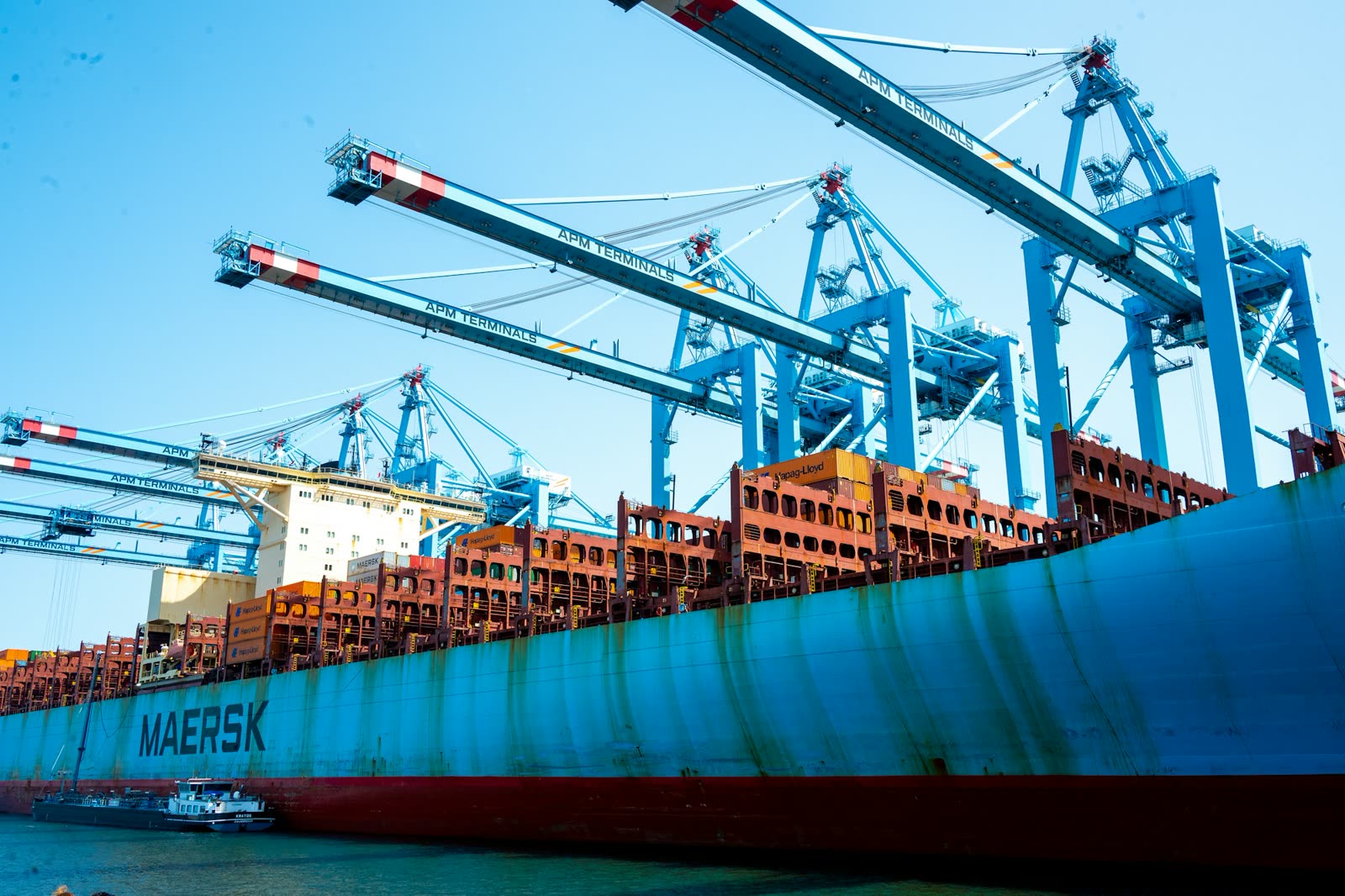
The new terms also have to settle the cranes. About $200 million of equipment linked to the upgrade that finished in early 2025 was leased rather than bought, because the extension was uncertain. Those leases either transfer to the new holder or get bought out. If cranes leave the quay, a change of paperwork becomes a change of capacity.
The ministry's next document will name the operator. The line to read is whether APM Terminals is named as operator or only as a shareholder. If it is the operator, 2028 is a renewal under a new name. If it is only a shareholder, read the terminal services agreement before the first post-2028 proforma gets built.